The journey of acquiring a new tattoo is an exciting one, but the artistry truly shines when it is properly cared for. As Daniel from Iron Ink Tattoo highlights in the accompanying video, prioritizing a robust **tattoo aftercare** routine is paramount for ensuring your fresh ink heals safely and beautifully, devoid of scar tissue. With 12 years of experience, Daniel’s insights are invaluable, emphasizing that proper healing safeguards the intricate details and vibrant colors of your new artwork.
Many individuals underestimate the critical role post-tattoo care plays in the ultimate longevity and appearance of their body art. Neglecting appropriate aftercare can lead to a multitude of issues, ranging from infections and scarring to significant ink fading. Understanding the “do’s and don’ts” of the **tattoo healing process** is not merely a suggestion; it is a fundamental commitment to the quality and health of your skin and your investment. Let us delve deeper into these essential practices, ensuring your new tattoo remains a stunning expression for years to come.
1. Guarding Your New Tattoo: Crucial “Don’ts” During Healing
Proper management of a fresh tattoo involves avoiding several common pitfalls that can compromise its integrity and your skin’s health. The goal is to facilitate an environment conducive to optimal healing, where the skin can regenerate without interference or damage. Observing these precautions diligently will significantly reduce the risk of complications and ensure the best possible outcome for your art.
1.1. Excessive Sunlight Exposure: The Silent Enemy of Tattoo Ink
Direct sunlight poses a significant threat to a fresh tattoo, and this risk is often understated. Daniel aptly likens sunlight exposure to a “slow tattoo laser removal,” a metaphor that underscores its destructive power. Ultraviolet (UV) radiation, specifically UVA and UVB rays, penetrates the epidermis and dermis, where the tattoo ink particles (chromophores) reside. These UV rays induce a photochemical reaction, causing the ink particles to break down into smaller fragments.
Once fragmented, these smaller particles are more easily absorbed and dispersed by the body’s immune system, leading to a noticeable fading and dulling of the tattoo’s vibrancy. Beyond mere fading, sunburn on a healing tattoo can cause blistering, inflammation, and potential infection, further complicating the **tattoo healing process**. Protecting a new tattoo from the sun is not just about aesthetics; it is about preventing direct cellular damage and preserving the skin’s integrity during a vulnerable period. Broad-spectrum SPF 50+ should be applied generously once the tattoo is fully healed, but during the initial stages, complete coverage with loose clothing is recommended.
1.2. Strenuous Exercise and Profuse Sweating: A Breeding Ground for Trouble
While maintaining an active lifestyle is commendable, heavy exercise immediately after receiving a new tattoo is strongly discouraged. The physical strain associated with intense workouts can cause the tattooed skin to stretch and flex excessively, potentially reopening scabs or micro-wounds. This physical trauma can delay healing, contribute to scarring, and even lead to ink displacement, altering the tattoo’s appearance.
Furthermore, profuse sweating creates a warm, moist environment on the skin’s surface, which is an ideal condition for bacterial proliferation. The open wounds of a new tattoo are highly susceptible to infection, and introducing bacteria from sweat or gym equipment significantly elevates this risk. Should exercise be unavoidable, very light activity that minimizes stretching and sweating, followed by immediate and gentle cleaning of the tattooed area, is advised. Contact sports or activities that involve significant friction on the tattooed area must be avoided entirely.
1.3. Resisting the Urge to Scratch: Preventing Scar Tissue Formation
As a **new tattoo** heals, itching is an almost universal experience; it signals the skin’s regeneration process. However, scratching the tattooed area is one of the most detrimental actions one can take. When the skin itches, scratching can easily break the delicate epidermal barrier that is forming, dislodge scabs prematurely, and introduce bacteria from the fingernails.
Dislodging scabs before they are naturally ready to fall off can pull out ink particles, resulting in patchy areas or “blowouts.” More critically, aggressive scratching can cause significant tissue damage, leading to the formation of raised, discolored scar tissue, which permanently disfigures the tattoo. Gentle patting or applying a thin layer of an approved tattoo moisturizer can often alleviate the itching without compromising the healing skin. This patience is a small price to pay for a smooth, unblemished final result.
1.4. Shaving Over a Fresh Tattoo: A Risk of Nicks and Infection
The desire to maintain smooth skin, especially for social engagements, is understandable. However, shaving over a freshly tattooed area is a significant risk that must be avoided. A razor blade can easily nick or cut the delicate, healing skin, potentially tearing open scabs or causing deeper wounds. Such damage not only risks permanent ink loss in the affected area but also creates direct entry points for bacteria, vastly increasing the likelihood of a serious infection.
Even if cuts are avoided, the friction and irritation caused by a razor can exacerbate inflammation and prolong the **tattoo healing process**. It is crucial to allow the skin to heal completely and for the outer layers to fully regenerate before any shaving is attempted. Patience during this period ensures that the skin’s protective barrier is intact, safeguarding both the tattoo and your overall health.
1.5. Swimming in Oceans or Pools: A Haven for Pathogens
Immersion in bodies of water, whether natural or chlorinated, is strictly prohibited during the initial healing phase of a **new tattoo**. Daniel correctly points out the presence of bacteria in such environments, and the implications are severe. Swimming pools, despite chlorine treatment, can harbor bacteria like *Pseudomonas aeruginosa* and *Staphylococcus aureus*, which thrive in moist conditions and can cause serious skin infections, including folliculitis or cellulitis. The chlorine itself can be highly irritating and drying to a fresh wound, further compromising the skin barrier.
Natural bodies of water, such as oceans, lakes, and rivers, present an even greater risk due to a wider array of microorganisms and pollutants. Marine bacteria, some of which are resistant to common antibiotics, can cause severe infections that require extensive medical intervention. Furthermore, the prolonged saturation of a fresh tattoo in water can soften scabs, lift ink, and delay healing. Avoiding all forms of water immersion, including hot tubs and baths, until the tattoo is fully sealed and healed (typically 2-4 weeks) is a non-negotiable aspect of responsible **tattoo aftercare**.
2. The “Do’s” of Tattoo Aftercare: Nurturing Your New Artwork
Having understood the critical actions to avoid, it is equally important to embrace the positive steps that actively promote healthy healing and longevity for your tattoo. These practices are designed to protect the integrity of the ink and the skin, ensuring your **new tattoo** looks its best for years to come. Adhering to these guidelines lays the foundation for a vibrant and enduring piece of body art.
2.1. Adhering to Your Artist’s Specific Instructions
First and foremost, the instructions provided by your tattoo artist are paramount. While general guidelines exist, each artist may have specific aftercare protocols tailored to their particular inks, techniques, and the type of wrapping used. Daniel’s emphasis on listening to your artist is a cornerstone of effective **tattoo aftercare**. These personalized instructions consider factors such as your skin type, the tattoo’s location, and any initial protective dressings like medical-grade adhesive films (e.g., Saniderm or Tegaderm).
Variations in aftercare can range from the duration a wrap should be kept on to specific product recommendations. Your artist possesses intimate knowledge of how their work interacts with the skin. Deviating from these instructions, even with well-intentioned advice from others, can inadvertently compromise the healing process. When in doubt, always defer to the professional who applied your tattoo; their expertise is your best resource for optimal healing.
2.2. Gentle Cleaning with Appropriate Products
Washing your new tattoo correctly is a cornerstone of infection prevention and proper healing. The video highlights the importance of using your hands gently, avoiding abrasive washcloths or sponges that can irritate or damage the delicate skin. The choice of soap is also critical; perfumes, dyes, and harsh chemicals found in many standard body soaps can cause irritation, dryness, or allergic reactions on a healing tattoo.
Instead, a neutral, fragrance-free, and antibacterial soap is recommended. Many brands offer specialized tattoo soaps, but gentle, unscented antibacterial hand soaps are also suitable. The soap should be applied with clean hands, creating a gentle lather, and then rinsed thoroughly with lukewarm water. This process removes bacteria, excess ink, and any bodily fluids without stripping the skin of essential moisture or causing undue trauma, thereby supporting the **tattoo healing process** effectively.
2.3. Utilizing Breathable Protective Products
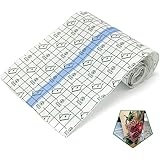
For individuals who keep their fresh tattoo wrapped for an extended period, the use of breathable protective products is vital. Traditional cling film is generally used for only a few hours post-tattoo, primarily for transport home, as it does not allow the skin to breathe and can trap moisture and bacteria, leading to maceration or infection. However, modern aftercare often involves specialized medical-grade adhesive films, sometimes referred to as “second skin” products.
These breathable bandages create a sterile, moist healing environment that protects the tattoo from external contaminants while allowing oxygen exchange. This semi-permeable membrane helps the skin heal more efficiently, reduces scabbing, and allows the wearer greater freedom of movement. When utilizing such products, proper application and removal, as directed by your artist, are crucial to prevent skin irritation or damage, contributing positively to your **tattoo aftercare** experience.
2.4. Consistent and Proper Moisturizing
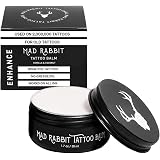
Moisturizing is a non-negotiable step in **tattoo aftercare**, acting as a protective barrier and aiding skin regeneration. Daniel’s analogy of the tattoo being “behind a window” where your skin is the window eloquently explains this: healthy, hydrated skin allows the tattoo to be seen clearly and vividly. During the healing phase, moisturizing prevents the skin from becoming excessively dry, cracked, or flaky, which can lead to discomfort and potential ink loss.
A thin layer of a fragrance-free, non-comedogenic moisturizer or specific tattoo balm should be applied several times a day, or as needed, after gently cleaning the tattoo. Over-moisturizing, however, can suffocate the skin and trap moisture, leading to issues. The goal is to keep the skin supple and hydrated, supporting the natural **tattoo healing process** and ensuring the ink settles beautifully within the dermal layers. Continued moisturizing even after healing contributes significantly to the tattoo’s long-term vibrancy and skin health.
Your Aftercare Questions, Answered (No ‘Sorry Mom’ Needed)
Why is tattoo aftercare important?
Proper tattoo aftercare is crucial because it ensures your new tattoo heals safely and beautifully, preventing issues like infections, scarring, or ink fading, and preserving its vibrant appearance.
What should I avoid doing with my new tattoo regarding sun exposure?
You should completely cover your new tattoo with loose clothing to protect it from direct sunlight. UV rays can cause the ink to fade, and sunburn can lead to blistering and infection.
Can I go swimming in pools or oceans with a new tattoo?
No, it is strictly prohibited to immerse your new tattoo in pools, oceans, or hot tubs during the initial healing phase. These environments can harbor bacteria that cause severe infections and can also delay healing or lift ink.
How should I properly clean my new tattoo?
Gently wash your new tattoo with clean hands, using a neutral, fragrance-free, antibacterial soap. Rinse thoroughly with lukewarm water and avoid abrasive washcloths.
Why is moisturizing important for my new tattoo?
Moisturizing helps prevent the skin from becoming excessively dry, cracked, or flaky, which can lead to discomfort and potential ink loss. It supports the natural healing process and helps the tattoo remain clear and vibrant.