Navigating the initial days of a new tattoo can often feel like walking a tightrope. Many individuals find themselves questioning whether their tattoo aftercare routine is truly effective, or if unknowingly, a crucial step is being missed. The journey to a beautifully healed tattoo, vibrant and free from complications, is largely dictated by diligent aftercare. Fortunately, understanding the correct procedures can prevent common issues and ensure your artwork stands the test of time. This guide, complementing the valuable insights shared in the video above, aims to demystify the tattoo healing process and provide a comprehensive roadmap for optimal tattoo aftercare.
A new tattoo is essentially an open wound, and proper healing is paramount. The initial protection applied by your tattoo artist plays a significant role in this delicate phase. Whether a traditional cling wrap, an absorbent Drylock pad, or a modern ‘second skin’ product was used, adherence to the artist’s instructions for its removal is critical. This first step helps to shield the fresh tattoo from environmental contaminants and provides a controlled environment for the initial healing responses to occur. Understanding what to expect during this period can alleviate anxiety and set the stage for successful healing.
The Essential First Steps in Tattoo Aftercare
Upon receiving a new tattoo, a protective covering is typically applied. This initial barrier, whether it is cling wrap, a Drylock pad, or a type of breathable medical film often referred to as ‘second skin,’ serves to protect the fresh wound from bacteria and airborne particles. It is generally recommended that this covering be left in place for a specific duration, which might be anywhere from a few hours to a full day, depending on the artist’s preference and the type of covering used. For traditional coverings like cling wrap or Drylock, a period of around 6-8 hours is often suggested, allowing the tattoo to settle before its first cleaning.
When the initial wrapping is carefully removed, it is common to observe a mixture of plasma, residual ink, and a small amount of blood. This appearance is entirely normal and indicates that the tattoo has begun its natural healing process. Plasma, a component of your blood, helps with clotting and wound repair. The presence of these substances signifies the body’s immediate response to the tattooing process, as it works to protect and begin repairing the skin. This initial discharge should be gently but thoroughly cleaned away to prevent scab formation and bacterial growth, paving the way for further effective tattoo aftercare.
Mastering the Gentle Cleanse for Your New Tattoo
The first wash of your new tattoo is a critical step in the tattoo aftercare routine. It is essential to use a fragrance-free antibacterial soap, as indicated in the video. Soaps containing fragrances, dyes, or harsh chemicals can irritate the sensitive, newly tattooed skin, potentially leading to discomfort, allergic reactions, or even affecting the tattoo’s appearance. A product like Dial antibacterial soap is often recommended due to its gentle yet effective cleansing properties, though any unscented antibacterial soap will suffice. The goal is to remove bacteria and any leftover discharge without stripping the skin’s natural moisture barrier.
When washing, warm water should be used to gently cleanse the area. Hot water can open pores too much and potentially irritate the skin, while cold water might not effectively remove all debris. The soap should be applied with clean hands, working up a gentle lather before softly massaging it over the tattooed area. Vigorous scrubbing or using abrasive materials must be avoided, as this can damage the delicate healing skin and pull out ink. The washing process should be swift but thorough, ensuring that all plasma, blood, and excess ink are rinsed away. Following this, the tattoo is carefully prepared for the next stage of its healing journey.
The Art of Drying: Protecting Your Tattoo After Cleaning
After a thorough washing, the method used to dry your new tattoo is just as important as the cleaning itself. The video correctly highlights the preference for patting the tattoo dry with a clean paper towel or allowing it to air dry. The reasoning behind this recommendation is quite simple yet profoundly impactful for tattoo aftercare. Cloth towels, even freshly laundered ones, can harbor bacteria and lint that may cling to the fresh wound, increasing the risk of infection or irritation. Furthermore, the friction from rubbing with a cloth towel can be too harsh for sensitive, healing skin, potentially disrupting the delicate process of epidermal regeneration.
A clean paper towel offers a sterile, disposable option that minimizes the risk of introducing contaminants. The gentle patting motion ensures moisture is absorbed without causing any abrasion. Alternatively, air drying the tattoo is an excellent, contact-free method, though it might take a little longer. This approach allows the skin to dry naturally, reducing any potential for irritation. Regardless of the method chosen, it is important that the tattoo is completely dry before proceeding with any further aftercare steps, as moisture trapped against the skin can create an environment conducive to bacterial growth and negatively impact healing.
Understanding Swelling: A Normal Part of Tattoo Healing
Upon cleaning and drying your new tattoo, it is quite normal to observe some degree of swelling in the tattooed area, as mentioned in the video. This swelling is a natural physiological response to the trauma inflicted on the skin during the tattooing process. The body’s immune system sends increased blood flow and white blood cells to the affected area to initiate repair and protect against potential pathogens. This inflammatory response manifests as localized swelling, redness, and sometimes a feeling of warmth.
Typically, this initial swelling is most noticeable in the first 24 to 48 hours after getting the tattoo and should gradually subside. Factors such as the size and location of the tattoo, as well as individual pain tolerance and body chemistry, can influence the extent and duration of swelling. For example, tattoos on areas with thinner skin or closer to joints, such as the hands or feet, may experience more pronounced swelling. While some swelling is expected, excessive or prolonged swelling accompanied by severe pain, heat, or pus could be an indication of an infection, warranting immediate consultation with a healthcare professional or your tattoo artist.
Embracing ‘Second Skin’ for Advanced Tattoo Aftercare
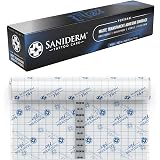
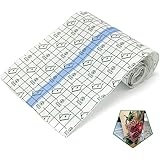
The use of ‘second skin’ products, such as DermShield, Saniderm, or Tegaderm, has revolutionized modern tattoo aftercare, offering significant advantages over traditional methods. These products are thin, flexible, adhesive films that create a breathable yet waterproof barrier over the new tattoo. The video correctly highlights their effectiveness, especially for intricate areas like hands where application can be made easier by cutting the film into multiple pieces to ensure full coverage and flexibility. The primary benefits of these advanced dressings lie in their ability to maintain a sterile, moist environment, which is conducive to optimal healing.
One of the most remarkable advantages of second skin is its capacity to keep the tattoo exceptionally clean. Once properly applied, it acts as an impenetrable shield against bacteria, dirt, and friction from clothing, significantly reducing the risk of infection. Furthermore, these films cleverly ‘trick the skin into thinking it’s scabbed,’ as noted. This metaphorical deception means the body’s natural wound-healing processes are engaged without the actual formation of a hard, restrictive scab. Traditional scabbing can often lead to itchiness, cracking, and even ink loss, whereas a moist healing environment fostered by second skin helps to prevent these complications. This leads to a smoother, faster healing process, potentially reducing overall healing time and ensuring the tattoo’s vibrancy is preserved. The skin’s ability to breathe while being protected ensures proper aeration, promoting an ideal environment for cell regeneration and contributing positively to the overall aesthetic outcome of the healing tattoo.
Benefits Beyond Cleanliness: Why Second Skin Excels
The advantages of using a second skin product extend far beyond simply keeping the tattoo clean. These innovative dressings play a crucial role in maintaining optimal moisture levels around the healing wound. By preventing the tattoo from drying out, second skin promotes a process known as ‘moist healing,’ which is widely recognized as superior for wound recovery. This environment supports the natural production of enzymes that facilitate healing, leading to less scarring and improved color retention. The tattoo is less likely to develop thick scabs, which can often pull ink out of the skin, resulting in patchy or faded areas.
Moreover, the flexibility of second skin films offers unparalleled comfort and protection. Once applied, these dressings conform to the body’s contours, allowing for normal movement without the constant worry of disturbing the healing tattoo. This means activities like sleeping, showering, and even light exercise become far less cumbersome compared to traditional aftercare methods. The waterproof nature of the film also enables brief showers without the need for additional wrapping, simplifying daily hygiene. This combination of protection, comfort, and advanced healing mechanisms makes second skin an invaluable tool for anyone seeking the best possible outcome for their new tattoo, enhancing the overall tattoo healing process.
Applying and Removing Your Second Skin
While the video briefly mentions cutting second skin into pieces for hand tattoos, the general application process for these products involves a few key considerations. After the tattoo has been thoroughly cleaned and completely air-dried, the second skin is carefully applied, ensuring there are no air bubbles or wrinkles that could compromise its seal. Overlapping pieces slightly, if multiple pieces are needed, helps maintain a complete barrier. The goal is to create a secure, uninterrupted shield over the entire tattooed area. It is common for the first piece of second skin to remain on for 24-48 hours, particularly if there is still significant oozing of plasma and ink. This initial layer then might be removed and replaced with a fresh piece.
The subsequent application of second skin typically stays on for a longer duration, often ranging from 3 to 7 days, depending on the specific product and your artist’s recommendation. During this time, the tattoo continues its intensive healing under the protective layer. When it is time for removal, a gentle approach is vital. The film should be peeled off slowly and carefully, preferably under warm running water in a shower. The warmth helps to loosen the adhesive, minimizing discomfort and preventing any potential trauma to the healing skin. Pulling the film in the direction of hair growth can also aid in a smoother removal, ensuring the newly formed skin layers are not disturbed. This thoughtful removal is just as important as the application for successful tattoo aftercare.
Continuing Your Tattoo Aftercare Journey: Beyond Second Skin
Once the second skin has been removed, or if you opted for a traditional healing method from the start, the tattoo aftercare process seamlessly transitions to a moisturizing phase. At this point, the tattoo should appear less raw and might feel slightly dry or flaky. The skin’s top layer is still vulnerable, necessitating continued protection and hydration. Choosing the right moisturizer is paramount; it must be fragrance-free, dye-free, and ideally non-comedogenic (meaning it won’t clog pores). Popular choices include specialized tattoo lotions, plain unscented body lotions, or natural alternatives like shea butter or coconut oil, provided they are pure and applied thinly.
Moisturizing should be done sparingly but consistently, typically two to three times a day, or whenever the tattoo feels dry. Applying a thin layer is crucial; too much moisturizer can suffocate the skin and impede proper healing by trapping excess moisture. The aim is to keep the skin supple and prevent it from drying out, cracking, or becoming excessively itchy, which can lead to scratching and potential damage to the tattoo. Continued gentle cleaning with fragrance-free antibacterial soap and warm water, followed by air or paper towel drying, should still precede each moisturizing application. This routine forms the backbone of effective tattoo aftercare for several weeks, supporting the long-term health and appearance of your new tattoo.
Common Pitfalls to Avoid for Optimal Tattoo Healing
Even with the best intentions, certain actions can hinder the tattoo healing process and potentially compromise the final look of your artwork. One of the most critical elements to avoid is direct sun exposure. Ultraviolet (UV) rays are highly detrimental to new tattoos, causing immediate irritation, pain, and potentially fading the ink before it has fully settled. During the healing phase, sun protection is paramount; if exposure is unavoidable, the tattoo should be completely covered with loose clothing or kept in shade. Once fully healed, sunscreen with a high SPF is always recommended for long-term tattoo care.
Another common mistake is submerging the new tattoo in water, such as baths, swimming pools, hot tubs, or natural bodies of water. These environments are breeding grounds for bacteria and can easily lead to infection. The tattoo should only be briefly washed under a shower stream during its initial healing weeks. Picking or scratching at scabs or flaky skin must also be strictly avoided. While it may be tempting, interfering with the natural shedding process can pull out ink, cause scarring, and prolong healing. Tight clothing that rubs against the tattoo, excessive sweating from strenuous exercise, and consuming excessive alcohol, which can thin the blood, are further considerations to minimize for successful tattoo aftercare. Recognizing and avoiding these common pitfalls is vital for anyone committed to ensuring their new tattoo heals beautifully.
Recognizing Red Flags: When to Seek Professional Help
While most tattoos heal without complications when proper tattoo aftercare is followed, it is essential to be aware of the signs that may indicate a problem. A new tattoo, despite being a controlled injury, is still susceptible to infection if not cared for diligently. Normal healing typically involves some redness, mild swelling, and occasional tenderness, especially during the first few days. However, certain symptoms warrant immediate attention from a healthcare professional or your tattoo artist.
Signs of potential infection include escalating redness that spreads beyond the tattoo’s borders, particularly if accompanied by increasing pain, warmth, or a throbbing sensation. The presence of pus, which might be yellow or green and have a foul odor, is a definitive indicator of infection. Furthermore, developing a fever or chills, experiencing swollen lymph nodes, or seeing red streaks emanating from the tattoo are serious symptoms that demand prompt medical evaluation. It is always better to err on the side of caution. Addressing these red flags quickly can prevent more severe complications and ensure the continued well-being of both your health and your new tattoo, solidifying proper tattoo aftercare practices.
Ink Well: Your Tattoo Aftercare Questions Answered
What should I do right after getting a new tattoo?
Your tattoo artist will apply a protective covering like cling wrap or a ‘second skin.’ It’s crucial to follow their specific instructions on when and how to remove it, as this initial barrier shields your new tattoo from contaminants.
How should I clean my new tattoo for the first time?
After removing the initial covering, gently wash your tattoo with warm water and a fragrance-free antibacterial soap, using clean hands to create a light lather. Rinse thoroughly to remove any plasma, blood, or excess ink, then pat it dry with a clean paper towel or let it air dry.
What type of soap is best for cleaning a new tattoo?
It’s essential to use a fragrance-free antibacterial soap, like Dial antibacterial soap, to avoid irritating the sensitive, newly tattooed skin. Avoid any soaps containing fragrances, dyes, or harsh chemicals.
Is it normal for my new tattoo to swell or be red?
Yes, it is normal to experience some degree of swelling, redness, and warmth in the tattooed area during the first 24 to 48 hours. This is your body’s natural response to the tattooing process and typically subsides gradually.
What are ‘second skin’ tattoo dressings?
‘Second skin’ products (like DermShield) are thin, flexible adhesive films that create a breathable, waterproof barrier over your new tattoo. They help keep the tattoo clean, protect it from friction, and maintain a moist environment for optimal healing without thick scabs.