Ensuring the longevity and vibrancy of your new tattoo begins immediately after the ink is applied. While the excitement of fresh body art is palpable, the critical phase of aftercare truly dictates its appearance for years to come. The short video above provides a foundational overview of the essential steps for effective tattoo cleaning, highlighting a routine that can significantly impact your healing process. However, understanding the deeper ‘why’ behind each action allows for a more informed and successful aftercare journey, moving beyond basic instructions to embrace comprehensive skin health for your artistic investment.
Understanding Why Proper Tattoo Cleaning Matters for Longevity and Health
A fresh tattoo is essentially an open wound, making it particularly susceptible to external contaminants and potential infections. The meticulous tattoo cleaning process outlined in the video is not merely a suggestion; it is an imperative for optimal healing and preserving your tattoo’s artistic integrity. When the skin is broken during the tattooing process, it becomes a direct pathway for bacteria, dirt, and other pathogens to enter the bloodstream. Implementing a diligent cleaning routine actively removes these harmful elements, significantly reducing the risk of complications that could compromise your health and the final look of your design.
Furthermore, consistent and gentle cleaning supports the skin’s natural regeneration process, which is crucial for vibrant ink. Imagine if a painter created a masterpiece on a dirty canvas; the colors would appear dull and the details obscured. Similarly, if your healing skin is not kept meticulously clean, the ink embedded in the dermal layer can appear muddled, and delicate lines may blur or fade prematurely. Proper aftercare ensures the pigments settle correctly and the skin heals smoothly, leading to a crisp, bright, and truly vibrant tattoo that stands the test of time.
Essential Steps for Proper Tattoo Cleaning and Aftercare
The journey to a beautifully healed tattoo involves several critical steps, each playing a vital role in preventing infection and promoting vibrancy. Let’s expand on the video’s instructions, providing more context and detail for each stage of your tattoo aftercare routine. Adhering to these practices will help safeguard your skin and the artwork it now carries.
1. Start with Immaculate Hand Hygiene
Before you even touch your new tattoo, thoroughly washing your hands is the absolute first line of defense against infection. Your hands are constantly exposed to countless bacteria and microbes throughout the day, which can easily transfer to your delicate healing skin. Use a good antibacterial soap and warm water, lathering for at least 20 seconds, ensuring you clean between fingers and under nails. This critical preliminary step minimizes the risk of introducing new pathogens to the vulnerable tattooed area, setting a clean foundation for the entire aftercare process.
2. Gentle Rinsing with Lukewarm Water
Once your hands are clean, gently rinse your tattoo under lukewarm running water. The video correctly emphasizes lukewarm water because hot water can irritate the fresh wound, potentially open pores too wide, or even contribute to excessive bleeding or discomfort. Conversely, cold water might cause the skin to contract, making it difficult to remove debris effectively. Allow the water to flow over the tattooed area, avoiding any direct high-pressure spray which could be too harsh for the tender skin. This initial rinse helps to gently loosen and flush away any surface plasma, residual ink, or environmental dust that might have settled.
3. Applying the Right Cleanser: Sorry Mom Foam Soap and Beyond
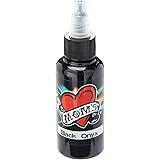
After rinsing, it is time to apply a specialized tattoo cleanser, like the Sorry Mom Foam Soap mentioned in the video. These dedicated tattoo soaps are formulated to be gentle on sensitive skin, free from harsh chemicals, fragrances, and dyes that can irritate or dry out your healing tattoo. Imagine if you used harsh dish soap on a delicate silk garment; it would undoubtedly cause damage. Similarly, regular bar soaps or body washes often contain ingredients unsuitable for fresh wounds, potentially leading to dryness, irritation, or allergic reactions. Pump a small amount of foam soap into your clean hand, ensuring enough to cover the entire tattooed area with a thin, even layer.
4. Mastering the Washing Technique: Gentle Circular Motions
The video highlights washing the tattoo in a circular motion, a technique designed to effectively remove excess dirt, bacteria, and any remaining plasma without causing undue friction. Use the pads of your clean fingertips to gently massage the foam soap over the entire tattooed area, moving in small, soft circles. This technique helps to lift impurities away from the skin’s surface and out of the tiny punctures created during tattooing. Avoid any aggressive scrubbing or using washcloths, sponges, or loofahs, as these can be too abrasive, introduce more bacteria, or even pull out scabs and ink, compromising your vibrant tattoo’s healing. The goal is gentle cleansing, not vigorous exfoliation.
5. The Critical Drying Phase: Pat, Don’t Rub
Once you have thoroughly cleaned your tattoo, the drying process is just as crucial as the washing itself. The video correctly advises to always pat dry and never, ever rub a new healing tattoo. Rubbing creates friction and can irritate the delicate skin, dislodge forming scabs, or even damage the newly laid ink. Instead, use a clean, soft paper towel or a freshly laundered, lint-free towel to gently pat the area until it is dry. Paper towels are often preferred during the initial healing phase because they are single-use, minimizing the risk of bacterial contamination that can occur with multi-use cloth towels. Ensure the area is completely dry before moving to the next step, as moisture can create a breeding ground for bacteria.
6. Deep Hydration for Healing and Vibrancy: Sorry Mom Tattoo Balm
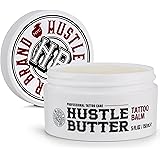
The final step in your tattoo care routine is moisturizing, and the video recommends using a thin layer of Sorry Mom Tattoo Balm. This step is vital for keeping the skin hydrated, promoting elasticity, and preventing excessive scabbing or cracking, which can lead to patchy healing and dull ink. Specialized tattoo balms are formulated with ingredients that soothe the skin, reduce inflammation, and support the healing process without clogging pores. Apply a very thin, almost translucent layer of the balm, gently massaging it in until it is absorbed. Over-moisturizing can suffocate the skin and potentially lead to issues like clogged pores or irritation, so less is definitely more in this instance. Consistency in moisturizing helps maintain the skin’s barrier function and keeps your tattoo looking vibrant as it heals.
Beyond the Basics: Advanced Tattoo Aftercare Tips
While the video provides excellent fundamental steps for keeping your tattoo clean and vibrant, a holistic approach to aftercare encompasses more than just washing and moisturizing. Understanding these additional considerations can further safeguard your tattoo’s integrity and ensure a smoother healing journey. Integrating these practices into your daily life during the healing phase offers comprehensive protection.
Frequency and Observation
Generally, cleaning your new tattoo two to three times a day is sufficient during the initial healing period, which typically lasts two to four weeks. However, always listen to your body and your tattoo artist’s specific instructions, as healing times can vary significantly depending on the tattoo’s size, placement, and individual skin type. Regularly observe your tattoo for any signs of infection, such as excessive redness, swelling, pus, foul odor, or fever. Early detection and intervention are crucial, so contact your tattoo artist or a medical professional immediately if you notice concerning symptoms. Imagine if a small issue escalated simply because it wasn’t noticed in time; vigilance is key.
Protecting Your Tattoo from the Elements
Sun exposure is detrimental to a healing tattoo and can cause significant fading, even after it has fully healed. During the initial aftercare phase, keep your tattoo completely covered with loose-fitting clothing when outdoors. Once healed, consistently apply a high-SPF sunscreen to your tattoo to protect it from harmful UV rays, which are a primary cause of ink degradation. Furthermore, avoid prolonged water submersion, such as swimming in pools, oceans, or taking baths, during the initial healing period. These environments harbor bacteria that can easily lead to infection in an open wound, jeopardizing your clean tattoo’s health.
Clothing and Lifestyle Choices
Opt for loose-fitting, breathable clothing made from natural fibers like cotton to avoid irritating your healing tattoo. Tight clothing can rub against the sensitive skin, cause friction, and prevent adequate airflow, potentially leading to trapped moisture and bacterial growth. Pay attention to your general hygiene, changing bedsheets and towels regularly to minimize exposure to dirt and bacteria. A healthy diet rich in vitamins and minerals, coupled with adequate hydration, also supports your body’s natural healing processes. These thoughtful lifestyle adjustments contribute significantly to a successful tattoo aftercare outcome.
Common Pitfalls to Avoid During Your Tattoo’s Healing Journey
Even with the best intentions, certain common mistakes can hinder the healing process and compromise your tattoo’s appearance. Being aware of these pitfalls allows you to proactively avoid them, ensuring a smoother journey towards a perfectly healed, vibrant tattoo. Prevention is always better than cure, especially when it comes to preserving your body art.
Over-Cleaning and Under-Moisturizing
While cleaning is essential, over-cleaning can strip the skin of its natural oils, leading to excessive dryness and irritation. This can prolong healing and make your tattoo feel itchy and uncomfortable. Similarly, under-moisturizing can lead to dry, flaky skin, which can cause scabs to crack and fall off prematurely, potentially taking ink with them. Striking the right balance, typically two to three times daily for both cleaning and moisturizing, is crucial. Imagine if a plant was constantly over-watered or left to wither; neither extreme promotes healthy growth.
Picking Scabs and Scratching Itches
As your tattoo heals, it is natural for scabs to form and for the area to become itchy. However, resisting the urge to pick at scabs or aggressively scratch your tattoo is paramount. Picking scabs can pull out the underlying ink, resulting in patchy areas or scarring, and also re-opens the wound to potential infection. Instead, gently pat the itchy area or apply a thin layer of your tattoo balm to soothe the skin. Allowing scabs to fall off naturally ensures the ink remains intact and the skin underneath is fully healed, preserving your tattoo’s artistic detail and overall health.
Exposure to Contaminants and Friction
Beyond sun and water submersion, be mindful of any activities that could expose your healing tattoo to excessive dirt, chemicals, or friction. This includes gardening, certain sports, or working in dusty environments without proper protection. Avoid wearing jewelry or clothing that constantly rubs against the tattooed area, as continuous friction can irritate the skin and impede healing. Your tattoo cleaning efforts are best supported by a conscious awareness of its environment. Your diligent aftercare routine is an investment in your tattoo’s future, ensuring it remains a source of pride and beauty for years to come.
Ensuring Your Tattoo Stays Clean and Vibrant: Your Questions Answered
What is a new tattoo considered, and why is that important for aftercare?
A fresh tattoo is essentially an open wound, making it susceptible to external contaminants and potential infections. Proper aftercare is crucial to prevent complications and preserve its appearance.
What is the absolute first step before I touch my new tattoo?
Before you touch your new tattoo, you must thoroughly wash your hands with antibacterial soap and warm water for at least 20 seconds to prevent transferring bacteria.
How should I gently wash my new tattoo?
Gently rinse your tattoo with lukewarm water, then apply a specialized tattoo cleanser using your clean fingertips to massage it over the area in small, soft circular motions.
What is the correct way to dry my new tattoo?
Always pat your tattoo dry using a clean, soft paper towel or a freshly laundered, lint-free towel; never rub it, as this can irritate the skin or dislodge scabs.
Why is moisturizing important, and how much balm should I use?
Moisturizing is vital for keeping the skin hydrated, promoting elasticity, and preventing excessive scabbing. Apply a very thin, almost translucent layer of specialized tattoo balm, as over-moisturizing can clog pores.