Navigating the initial days with a fresh tattoo can be an exciting yet anxious experience, particularly when nighttime approaches. Many individuals find themselves overwhelmed by conflicting advice regarding proper care, fearing potential damage or infection while they sleep. This confusion often leads to overthinking an otherwise natural healing process. Fortunately, by understanding the science behind skin repair and implementing practical strategies, a restful and safe night’s sleep with a new tattoo is entirely achievable. The accompanying video offers a concise overview, and this article will delve deeper into the nuances of nighttime tattoo aftercare, ensuring your peace of mind and promoting optimal healing.
Understanding Nighttime Skin Regeneration and Tattoo Healing
During the hours of sleep, the human body orchestrates a complex symphony of repair and regeneration, and the skin, as the largest organ, is no exception. This nocturnal activity is intrinsically linked to our circadian rhythm, the internal biological clock that regulates various physiological processes over a 24-hour cycle. Specifically, cellular division and renewal are observed to peak around midnight, irrespective of whether an individual is asleep. This intrinsic healing mechanism underscores the importance of supporting the body’s natural processes, especially when tending to a new tattoo.
The Role of Hydration and Moisture
Hydration plays a pivotal role in facilitating skin repair. When adequately hydrated, skin cells are better equipped to perform their restorative functions. Consequently, ensuring sufficient water intake, particularly before bed, is often recommended, as it directly supports the skin’s capacity for healing. Furthermore, the skin’s oil production naturally decreases during the night, which can lead to a reduction in overall moisture. This reduction, however, can be mitigated through external moisturization, such as the application of tattoo-specific ointments, which create a protective barrier.
Mitigating Transepidermal Water Loss (TEWL)
A significant phenomenon impacting skin hydration at night is transepidermal water loss (TEWL). This process, distinct from sweating, involves the passive evaporation of water from the skin’s surface. Approximately 300 to 400 milliliters of water are lost daily through TEWL, with a notable portion occurring from the palms of the hands and soles of the feet. This constant, albeit normal, moisture loss can be particularly impactful on healing skin. Ointments and lotions are specifically formulated to create an occlusive layer, effectively reducing TEWL and thereby preserving vital moisture within the new tattoo, preventing excessive drying.
The Advantage of a Slightly Acidic Environment
Interestingly, the skin’s microenvironment undergoes subtle changes during sleep. A slight increase in skin temperature is observed, accompanied by a decrease in pH, rendering the skin mildly more acidic. This shift is not merely coincidental; a 2015 meta-study highlighted that slightly acidic environments are conducive to improved skin wound healing. This scientific insight suggests that the nocturnal conditions inherent to human physiology are, in fact, supportive of the tattoo healing process. However, it should be noted that acute wounds sustained during daylight hours tend to heal more rapidly than those incurred at night, suggesting a nuanced interplay of factors in overall wound repair.
Essential Nighttime Tattoo Aftercare Strategies
While the body’s intrinsic mechanisms are at work, proactive measures are still essential for effective nighttime tattoo aftercare. The goal is to protect the fresh wound from external contaminants, maintain optimal moisture, and minimize unnecessary irritation.
Protecting Your Bedding
A common concern for those with a new tattoo is the potential for ink and bodily fluids to stain bedding. It is important to acknowledge that this outcome is a common and often unavoidable aspect of the initial healing phase. Fresh tattoos, particularly those liberally coated with ointment, are prone to transferring pigment and plasma onto sheets. Therefore, the use of older or darker bedding, which can withstand potential staining without causing distress, is highly recommended. It should be understood that while the transferred ink may be permanent on fabric, it signifies the ointment performing its intended function as a protective barrier, preventing these substances from directly impacting the tattoo itself.
The Function of Ointment as a Barrier
Traditional tattoo aftercare protocols often involve the application of a thin layer of healing ointment. This practice serves multiple purposes: it keeps the skin moisturized, reduces friction, and most critically, acts as a protective barrier. Should an individual inadvertently roll onto their new tattoo during sleep, the ointment absorbs the initial impact and provides a buffer against the sheets. Even if a portion of the ointment is wiped away, leaving the tattoo dry for several hours, the healing process is unlikely to be severely compromised. New tattoos are remarkably resilient; they are open wounds that require care but are not as fragile as a “Fabergé egg,” as sometimes humorously described.
Specific Considerations for Pet Owners
For individuals sharing their sleeping space with pets, the complexities of nighttime tattoo aftercare are amplified. The primary concern shifts from mere dirt or dander to the significant risk of bacterial transmission. While popular fears often gravitate towards severe infections like MRSA (which pets typically acquire from humans, not vice versa), a more direct threat exists from numerous other common bacteria.
Understanding Bacterial Risks from Pets
Pets, despite their cleanliness, can carry a diverse array of microorganisms. It has been identified that approximately 30 different kinds of bacteria can be directly transmitted from pets to humans. When a loving pet, such as a dog or cat, has been exploring outdoors or even just around the house, their paws and fur can harbor bacteria. Direct contact, such as licking a fresh tattoo or rubbing against it, introduces these potential pathogens directly to an open wound. While pets can also transmit conditions like ringworm (a fungal infection, not a worm), hookworm, scabies, or even the more exotically named Rocky Mountain spotted fever, bacterial infection remains the most pressing concern for a new tattoo. The risk is that these bacteria could colonize the wound, potentially leading to complications and impairing the healing process.
Protective Measures for Pet Owners
For pet owners whose animals are accustomed to sharing the bed, a pragmatic approach to aftercare is essential. It is highly advisable to wrap the new tattoo at night, especially during the initial days of healing. This can be accomplished using a breathable plastic wrap secured with medical tape. This barrier effectively prevents direct contact between the pet and the tattoo, significantly reducing the risk of bacterial transfer. In the morning, the wrapping should be carefully removed, followed by the usual routine of gentle washing with antibacterial soap and reapplication of a thin layer of ointment. This protective step is substantially more effective than relying solely on ointment or hoping pets will avoid the area.
Advanced Insights and Dietary Support for Tattoo Healing
Beyond the immediate aftercare, broader lifestyle choices can also contribute to the overall health and resilience of tattooed skin. Scientific exploration into dietary compounds offers intriguing possibilities for enhancing skin wellness.
Nutritional Contributions to Skin Health
Specific dietary components have been recognized for their beneficial effects on skin health, indirectly supporting the healing and longevity of tattoos. Flavonols and procyanidins, compounds found in cocoa and wine, respectively, are examples of such nutrients. These powerful antioxidants are associated with several positive dermatological outcomes: they are observed to improve skin hydration, reduce transepidermal water loss (TEWL), increase blood flow to both cutaneous and subcutaneous tissues, and decrease sensitivity to UV light. For individuals with tattoos, the latter benefit, reduced UV sensitivity, is particularly advantageous, as UV exposure is a known contributor to tattoo fading. While consuming chocolate or wine should not be considered a substitute for direct tattoo aftercare, their potential contribution to overall skin health is a noteworthy consideration for long-term skin maintenance.
Modern Aftercare Solutions: Saniderm and Tegaderm
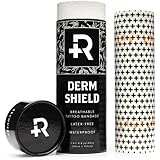
It is important to acknowledge that the landscape of tattoo aftercare is evolving. Modern advancements have introduced specialized transparent adhesive dressings, such as Saniderm and Tegaderm, which offer a distinct approach to wound management. These products create a moist healing environment, protect against bacteria, and eliminate many of the concerns associated with traditional aftercare, including ointment mess and pet contact. When these adhesive barriers are properly applied, the aforementioned nighttime aftercare considerations largely become moot, as the tattoo is completely sealed and protected. This alternative method provides a sterile and low-maintenance healing experience, increasingly favored by both artists and clients for its convenience and effectiveness.
Pillow Talk & Paw Prints: Your Tattoo Nightcare Q&A
Why is sleeping on a fresh tattoo often a concern for beginners?
Many new tattoo owners worry about damaging their tattoo or getting an infection while sleeping. This concern comes from conflicting advice about proper nighttime aftercare.
What is the main purpose of applying ointment to a new tattoo at night?
Applying ointment helps keep the skin moisturized, reduces friction, and creates a protective barrier for the tattoo. This barrier guards against sheets and minor accidental contact during sleep.
How can I protect my fresh tattoo from my pets while I sleep?
To protect your tattoo from pets, it’s advisable to wrap it with a breathable plastic wrap secured with medical tape. This barrier prevents direct contact and significantly reduces the risk of bacterial transfer.
Are there modern products that simplify nighttime tattoo aftercare?
Yes, specialized transparent adhesive dressings like Saniderm or Tegaderm can be used. These products create a sealed, moist healing environment and protect the tattoo from bacteria and external elements, including pets.