Understanding Tattoo Aftercare for Optimal Healing
Embarking on the journey of getting a new tattoo is an exciting experience, but the crucial phase of tattoo aftercare often determines how well the artwork heals and stands the test of time. As highlighted in the accompanying video, effective tattoo aftercare does not need to be complicated; it can be a straightforward process focused on gentle care and patience.
It is important to remember that while personal experiences can provide valuable insights, the advice of your professional tattoo artist should always be prioritized. This guide, drawing from years of personal tattoo experience, aims to simplify the healing journey for those new to body art or seeking to refine their tattoo aftercare routine.
1. Initial Bandaging and “Second Skin” Explained
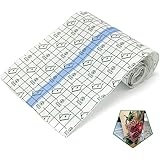
Upon receiving a new tattoo, it is typically covered by a bandage, which serves as the first line of defense against bacteria and irritation. While traditional patches were once common, modern tattoo aftercare often involves advanced options like Saniderm, Tagaderm, or Hypafix, frequently referred to as a “second skin.” These adhesive, breathable films create a protective barrier that seals in the body’s natural healing fluids, promoting a cleaner healing environment.
The “second skin” is particularly favored for its ability to stay securely in place and allow for normal movement, unlike older bandages that might shift or need frequent replacement. For many, this type of bandage is kept on for an optimal period of up to two days, though a minimum of 12 hours is generally recommended to allow the initial wound to settle. Leaving the bandage on for the maximum recommended time by your artist is believed to lead to superior healing, as the tattoo remains protected during its most vulnerable stage.
2. The Gentle Art of Bandage Removal
After the recommended wearing period, the removal of the “second skin” bandage should be approached with care to avoid unnecessary pain or skin irritation. A common mistake is to simply rip the bandage off when dry, which can be quite uncomfortable and potentially damage the delicate healing skin.
Instead, a gentler method is strongly advised: the area covered by the bandage should be thoroughly wet. Performing this step in a warm shower is ideal, as the running water helps to loosen the adhesive. The bandage is then slowly peeled back, pulling upwards and away from the skin, allowing water to continuously flow underneath as it is removed. This technique significantly reduces discomfort and minimizes the risk of irritating the freshly tattooed area.
3. The First Wash: Cleanliness is Key
Once the bandage has been successfully removed, the tattoo should be washed promptly and thoroughly. If the bandage removal took place in the shower, this transition is seamless. The tattoo is gently cleaned using only warm water and clean hands; abrasive tools like exfoliation scrubs or mitts must be avoided, as these can strip away essential healing layers or introduce irritation.
Following the initial rinse, a non-fragranced, gentle soap is recommended for cleansing. Products like Bioderma Shower Gel, which is often suitable for sensitive skin conditions like psoriasis or eczema, are excellent choices because they lack harsh chemicals or perfumes that could irritate a new tattoo. The tattoo is then carefully washed, ensuring all plasma, blood, and ink residue are rinsed away, before being patted dry with a clean, soft towel—never rubbed.
4. Embracing the “Dry Heal” Period
A crucial step in some personal tattoo aftercare routines, often observed for the first 12 to 24 hours post-wash, involves a “dry heal” period. During this time, no moisturizing cream or occlusive product is applied to the tattoo. The philosophy behind this approach is that a new tattoo is essentially an open wound, and allowing it to breathe and dry naturally can sometimes promote a cleaner initial healing phase, preventing the tattoo from becoming oversaturated or clogged with products too soon.
While this method may not be universally adopted, it has been found to be effective for some individuals over many years of getting tattooed. It is believed to allow the skin to begin its natural scabbing process without external interference. However, it is essential to listen to your tattoo artist’s specific recommendations, as different artists may have varying preferences for immediate moisturization.
5. Clothing Considerations During Healing
Throughout the entire tattoo healing process, particular attention should be paid to clothing choices. It is strongly advised that loose-fitting clothing be worn, especially over the tattooed area. This helps to prevent friction, which can irritate the skin, disrupt scabbing, or even rub off healing skin flakes.
Additionally, because new tattoos can sometimes “leak” a small amount of ink, plasma, or blood, wearing clothing that you do not mind getting stained is a practical consideration. Tattoo ink can be notoriously difficult to remove from fabrics, so protecting beloved garments is a smart move. Comfort and breathability are key to ensuring the tattoo heals undisturbed.
6. The Importance of Moisturizing and Avoiding Irritation
After the initial dry heal period, or as recommended by your artist, regular moisturizing becomes a cornerstone of proper tattoo aftercare. A non-fragranced lotion, such as CeraVe moisturizing cream, which contains beneficial ingredients like hyaluronic acid, is often chosen for its gentle and effective hydrating properties. Fragrances and harsh chemicals found in many lotions can cause irritation, allergic reactions, or even disrupt the healing process of sensitive new tattoos.
The lotion is applied in a thin, even layer, gently massaged into the skin. This step helps to keep the skin supple, reduces itching, and prevents excessive dryness and cracking, which are common complaints during healing. For those with blackwork tattoos, which are known to be particularly itchy, tight, and scabby during the first week, consistent moisturization is even more critical to manage discomfort and support healthy healing.
7. Patience and the Perils of Picking
One of the most critical aspects of successful tattoo aftercare is resisting the urge to pick or scratch at the healing tattoo. As the tattoo heals, it will inevitably become itchy and form scabs and flakes; this is a normal part of the skin’s regenerative process. However, scratching or picking at these areas can have severe detrimental effects.
Interfering with the natural healing can lead to ink fallout, where parts of the design appear faded or “skipped” because the pigment has been pulled out of the skin prematurely. This can necessitate costly and time-consuming touch-ups or, worse, result in permanent scarring or uneven healing. Patience truly is a virtue in this phase; allow the scabs to fall off naturally, and gently tap around the area if itching becomes unbearable, rather than scratching directly on the tattoo.
8. The “Keep It Simple, Stupid” (K.I.S.S.) Principle
Ultimately, a successful tattoo aftercare routine is often characterized by its simplicity and consistency. Over-complicating the process with too many products or elaborate steps can sometimes do more harm than good. Using a few trusted, gentle, and non-fragranced products consistently, combined with protective measures like loose clothing and strict avoidance of picking, is generally considered the most effective path.
While individual skin types and tattoo placements may require slight adjustments, a basic, minimalist approach to tattoo aftercare often yields the healthiest and most vibrant results. Always remember that your tattoo artist’s instructions are paramount, as they have specific insights into their techniques and the needs of your particular tattoo.
Beyond the Bandage: Your Healing Tattoo Q&A
What is a ‘second skin’ bandage for tattoos?
A ‘second skin’ is a modern adhesive, breathable film (like Saniderm) that covers your new tattoo. It acts as a protective barrier against bacteria and helps the tattoo heal by sealing in your body’s natural fluids.
How should I remove the ‘second skin’ bandage from my tattoo?
The best way to remove it is in a warm shower, allowing water to continuously flow over the bandage to loosen the adhesive. Slowly peel the bandage back, pulling upwards and away from your skin.
What’s the best way to clean my new tattoo after removing the bandage?
Gently wash your tattoo with warm water and clean hands, using a non-fragranced, gentle soap. Make sure to rinse away all residue and then pat it dry with a clean, soft towel.
What kind of clothing should I wear while my tattoo is healing?
You should wear loose-fitting clothing over the tattooed area to prevent friction and irritation. It’s also wise to choose clothes you don’t mind potentially getting stained, as new tattoos can sometimes leak a little ink or plasma.
Why shouldn’t I pick or scratch my healing tattoo?
Picking or scratching can damage the delicate healing skin, lead to ink fallout (fading), and potentially cause permanent scarring or uneven healing. It’s important to let the tattoo heal naturally.