The vibrancy of tattoo artistry is often admired, but its longevity can be a significant concern for many enthusiasts. Over time, tattoos are observed to fade, losing their initial brilliance and crispness. This common issue is primarily caused by a combination of factors, including sun exposure, natural skin regeneration, and inadequate aftercare practices. The disappointment of a dull or faded tattoo is widely understood, as it represents a degradation of personal expression and investment. Addressing this challenge effectively requires a specialized approach, and the video above introduces an important solution: a dedicated tattoo brightening aftercare balm.
This accompanying article will delve deeper into the science behind tattoo fading and elaborate on how a high-quality tattoo brightening aftercare balm can be instrumental in preserving and revitalizing your body art. Practical insights into ingredient efficacy, application techniques, and long-term care strategies will be provided, ensuring your tattoos remain as vivid as the day they were created.
1. The Science of Tattoo Fading: Why Tattoos Lose Their Luster
Understanding why tattoos fade is crucial for effective prevention and revitalization. Tattoo ink is deposited into the dermis layer of the skin, a more stable layer than the epidermis. Despite this, ink particles are not entirely static; they can be gradually broken down and dispersed over time. A study published in the Journal of Biomedical Optics highlighted how UV radiation penetrates the skin, initiating photo-degradation of ink pigments.
Furthermore, the skin’s natural regeneration process, albeit slow in the dermis, continuously works to replace cells, subtly pushing and breaking down ink. Macrophages, immune cells responsible for clearing foreign substances, also play a role by encapsulating and slowly removing ink particles. These biological processes, combined with external aggressors, contribute significantly to the perceived dullness and loss of definition in tattoos.
Environmental Factors Contributing to Faded Tattoos
Environmental elements are frequently implicated in the degradation of tattoo quality. Sun exposure is arguably the most detrimental factor; UV rays cause ink pigments to break down, leading to fading and color distortion. Dermatologists often cite that individuals with frequent, unprotected sun exposure can see significant fading within just a few years. Chlorine from swimming pools and saltwater can also accelerate ink degradation and skin dryness, diminishing a tattoo’s appearance.
Exposure to harsh chemicals and certain skincare products containing strong exfoliants or bleaching agents can inadvertently affect tattoo ink. These substances, when absorbed, are sometimes observed to interact with the pigments or compromise the skin barrier. Consequently, the tattoo’s clarity and color saturation can be negatively impacted, warranting careful consideration of all products used on tattooed skin.
2. How a Tattoo Brightening Aftercare Balm Works
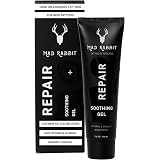
A specialized tattoo brightening aftercare balm is formulated to counteract the processes that lead to fading. These balms typically contain a blend of moisturizing, nourishing, and protective ingredients designed to enhance ink vibrancy and skin health. The primary mechanism involves deep hydration, which plumps the skin and allows light to reflect more uniformly, making colors appear richer and more saturated.
Antioxidant properties are often integrated into these balms to combat free radical damage, a key factor in cellular aging and ink degradation. By protecting skin cells and ink pigments from oxidative stress, the balm helps to maintain the tattoo’s original vibrancy. It is generally understood that consistent application supports a healthier skin environment, which is conducive to long-term tattoo preservation.
Key Ingredients for Tattoo Vibrancy and Skin Health
The efficacy of a tattoo brightening aftercare balm is heavily dependent on its active ingredients. Natural emollients like shea butter and cocoa butter are widely known for their deep moisturizing capabilities, helping to keep skin supple and prevent dryness that can make tattoos look dull. Humectants such as hyaluronic acid attract and retain moisture, contributing to a plump, healthy skin surface.
Antioxidants, including vitamins C and E, are frequently incorporated to protect against environmental damage. For instance, vitamin E is often cited in dermatological literature for its ability to neutralize free radicals, which are generated by UV exposure and can accelerate ink fading. Furthermore, ingredients like panthenol (Vitamin B5) and allantoin are often added for their soothing and regenerative properties, aiding in skin repair and overall resilience. Some formulations might also include natural oils like jojoba or argan oil, which mimic the skin’s natural sebum, providing additional nourishment without clogging pores.
3. Maximizing the Benefits: Application and Long-Term Care
Proper application of a tattoo brightening aftercare balm is just as important as the balm itself. For optimal results, the balm should be applied to clean, dry skin. A small amount is generally sufficient and should be gently massaged into the tattooed area until fully absorbed. This process helps to ensure that the active ingredients penetrate the skin effectively, delivering their benefits directly to the dermis where the ink resides.
Consistency is often emphasized; daily application, or as directed by the product instructions, is usually recommended to maintain continuous hydration and protection. Regular use is shown to produce cumulative benefits, gradually restoring and preserving the tattoo’s original brilliance. It is believed that this consistent care regimen can significantly extend the lifespan of a tattoo’s vibrancy.
Integrating Tattoo Brightening Balm into Your Daily Routine
Incorporating a tattoo brightening aftercare balm into your daily skincare routine is a simple yet powerful step. Many users find it convenient to apply the balm in the morning and evening, similar to a facial moisturizer. For instance, after a shower, once the skin is clean and slightly damp, is often considered an ideal time for application, as this allows for better absorption.
Alongside the balm, comprehensive tattoo care practices should be maintained. This includes diligently applying a broad-spectrum sunscreen with an SPF of 30 or higher to all exposed tattoos whenever outdoors; UV protection is paramount in preventing fading. Keeping the skin generally hydrated through adequate water intake and a balanced diet further supports skin health and tattoo vibrancy. Regular exfoliation around, but not directly on, new tattoos, can also aid in skin renewal for older pieces, ensuring a fresh canvas for your artwork. These combined efforts are recognized as crucial for long-term tattoo preservation.
Illuminating Your Ink: Brightening Balm Q&A
Why do tattoos fade over time?
Tattoos fade due to several reasons, including prolonged sun exposure, your skin’s natural regeneration process, and sometimes from not using proper aftercare practices.
What is a tattoo brightening aftercare balm?
A tattoo brightening aftercare balm is a specialized product formulated to help keep your tattoos vibrant, fresh, and to prevent them from looking dull or faded.
How does a brightening balm help my tattoos?
These balms work by deeply hydrating the skin, making your tattoo colors appear richer, and often include antioxidants to protect the ink from damage and fading.
How should I use a tattoo brightening aftercare balm?
You should apply a small amount of the balm to clean, dry tattooed skin and gently massage it in until fully absorbed. Consistent daily application is usually recommended for the best results.