Many aspiring tattoo artists, much like myself when I first started my journey into the intricate world of tattooing, often grapple with a foundational question: which tattoo machine is truly best for beginners? The sheer variety of options available today can be overwhelming, making the initial investment feel like a high-stakes decision. Understanding the nuances of each machine type is crucial for laying a solid groundwork for your career in body art, ensuring you begin with confidence and the right tools in hand.
As Brandon from Tattooing 101 discusses in the video above, selecting the ideal tattoo machine for beginners involves more than just picking the first shiny model you see. It requires a thoughtful consideration of performance, ease of use, longevity, and your personal comfort. We will delve deeper into the three primary types of tattoo machines—traditional coil, modern rotary, and ergonomic pen-style machines—exploring their unique characteristics, advantages, and potential drawbacks for someone just starting out in the industry. This comprehensive guide aims to equip you with the knowledge needed to make an informed choice for your first professional tattoo machine.
Understanding the Three Core Tattoo Machine Types
The evolution of tattoo technology has presented artists with increasingly diverse tools, each designed to achieve specific effects and cater to different working styles. Familiarizing yourself with these fundamental distinctions is an essential step toward mastering the craft. We will examine the operational mechanics and general applications of traditional coil, advanced rotary, and user-friendly pen-style tattoo machines, offering a clearer picture for every aspiring artist.
Traditional Coil Tattoo Machines: The Enduring Legacy
For decades, the coil tattoo machine was the undisputed workhorse of the tattoo industry, and it remains a beloved tool for many seasoned professionals. These machines operate on an electromagnetic circuit, utilizing coils to create an up-and-down motion that drives the needle into the skin. When I began tattooing twelve years ago, coil machines were essentially the only option, requiring artists to develop a deep mechanical understanding of their equipment.
A significant advantage of traditional coil machines is their incredible durability; with proper maintenance, these machines can genuinely last a lifetime. Artists can also find replacement parts for coils, armature bars, and frames relatively easily, ensuring longevity and repairability. However, a notable challenge for beginners lies in the steep learning curve associated with tuning and maintaining these complex devices. Achieving the correct setup for lining, shading, or color packing demands extensive practice and a nuanced understanding of spring tension, contact screw adjustments, and voltage settings, which can be daunting for novices.
The specific tuning allows experienced artists to push very large needle configurations with remarkable efficiency and precision. However, this level of customization and control requires considerable technical skill to master, often posing a significant hurdle for those without prior mechanical experience. Purchasing a cheap coil machine from marketplaces like eBay or Amazon, especially those priced around $20, almost always leads to disappointment due to poor quality and inconsistent performance. Investing in a properly built and tuned coil machine is paramount for any serious artist, even if it is not recommended as a first machine for most beginners.
Rotary Tattoo Machines: Modern Versatility and Ease of Use
Rotary tattoo machines represent a significant leap forward in tattoo technology, offering a smoother, quieter, and generally more consistent operation compared to their coil counterparts. These machines employ a small electric motor to drive the needle bar, resulting in a direct and continuous motion. Many different styles and brands of rotary machines exist today, each boasting unique features designed to enhance an artist’s workflow.
A prime recommendation for a beginner tattoo machine is a high-quality rotary, such as the Injekta Flight Nano, which the video mentions and highly praises. These machines are celebrated for their exceptional reliability and the ease with which new artists can learn to operate them effectively. A key benefit of many rotary machines is their adaptability, allowing artists to change cams to adjust the stroke length, which determines the needle’s travel depth and speed. This versatility means one machine can be configured for various tattooing styles, from intricate lining to smooth shading and vibrant color packing, making it an excellent all-around choice for exploring different techniques.
Unlike coil machines, rotaries generally require far less maintenance and tuning, simplifying the setup process immensely for beginners. They typically only need occasional oiling, and their parts are often readily available directly from the manufacturer’s website. The ability to customize stroke and give (the slight give or flex in the needle bar action) allows artists to fine-tune the machine for their preferred style, whether that involves creating crisp lines or soft, delicate shades for realism. This ease of use and adaptability makes them a highly recommended choice for anyone embarking on their tattooing journey.
Pen-Style Tattoo Machines: Ergonomics Meets Performance
The newest innovation in tattoo machine design, pen-style machines, have rapidly gained immense popularity due to their intuitive ergonomics and streamlined operation. These machines, often resembling a large marker or pen, are designed for maximum comfort and control, significantly reducing hand fatigue during long tattooing sessions. The video highlights the Cheyenne Sol Nova Unlimited as a top-tier example of these advanced devices, noting their direct drive mechanism and user-friendly design.
Artists often find pen-style machines incredibly easy to pick up and start using immediately, requiring very little setup or complex adjustments. This “plug and play” aspect makes them exceptionally appealing to beginners seeking a straightforward tool. However, it is important to note that many pen machines come with fixed stroke lengths; for instance, the Cheyenne Sol Nova Unlimited is available in either 3.5mm or 4mm options, limiting the artist’s ability to adjust this critical setting. This means artists might need different pens for different applications if their preferred stroke varies significantly.
One crucial consideration with pen-style machines is their sterilization and grip options. While some pen machines allow for the use of disposable grips that screw directly onto the machine, others may require the main grip to be autoclaved for proper sterilization. The availability of universal disposable grips for pen machines can be more limited compared to rotary machines, which often accept a wider range of cartridge grips. Therefore, beginners must investigate the specific hygiene and grip requirements of any pen machine they consider before making a purchase, ensuring it aligns with their studio’s sterilization protocols and personal preferences.
Key Considerations When Choosing Your First Tattoo Machine
Navigating the initial purchase of a tattoo machine can feel like a significant hurdle, but by focusing on a few critical factors, you can confidently select the right tool for your budding career. The decision hinges on understanding your personal preferences, the styles you aspire to create, and the practicalities of equipment ownership. Deliberating on versatility, stroke length, budget, and comfort will empower you to make an informed choice that supports your growth as an artist.
Versatility for Evolving Styles
As a beginner, you are likely still discovering your signature tattooing style, making machine versatility an incredibly important attribute. A versatile tattoo machine allows you to experiment with various techniques—from crisp line work to soft black and gray shading and vibrant color packing—without needing a different machine for each application. Rotary machines, with their interchangeable cams and adjustable give mechanisms, typically offer the highest degree of versatility. This adaptability provides invaluable flexibility, enabling you to confidently tackle a broad spectrum of projects as you hone your skills and define your artistic niche.
Having a machine that can be easily reconfigured for different tasks means you are prepared for whatever design walks through the door, preventing limitations early in your career. For instance, being able to adjust the stroke length from a shorter 3mm, ideal for smooth shading and realism, to a longer 4mm, perfect for bold lines and solid color saturation, significantly broadens your capabilities. This inherent flexibility reduces the pressure to immediately commit to a single style, fostering exploration and continuous learning, which is essential for a new artist.
Stroke Length and Its Impact on Tattooing
The stroke length of a tattoo machine, referring to the distance the needle travels in and out of the machine, profoundly influences how the machine performs for different tattooing styles. Selecting the appropriate stroke is crucial for achieving desired effects and minimizing trauma to the client’s skin. Beginners must understand that a shorter stroke (around 3mm) is generally preferred for delicate tasks like soft shading, realistic textures, and detailed black and gray work, as it creates less impact and allows for smoother transitions.
Conversely, a longer stroke (typically 4mm or more) is highly effective for bold line work and solid color packing because it delivers a more forceful and consistent penetration. This greater impact ensures clean, saturated lines and even color application, which are critical for traditional and neo-traditional styles. While some machines offer fixed stroke lengths, many high-quality rotary models provide interchangeable cams or adjustable mechanisms, allowing artists to customize this setting based on their specific needs for a tattoo. Choosing a machine with adjustable stroke length can be a significant advantage for a beginner exploring various techniques.
The Investment: Price Point and Quality
While the allure of inexpensive tattoo kits can be strong for beginners, it is paramount to understand that quality equipment is a non-negotiable investment in your craft and client safety. Most reliable tattoo machines, designed for professional use and longevity, will typically start at $500 and can easily go upwards. These machines, like the Injekta models mentioned, are built to last for many years—often five to seven or even longer—provided they receive proper care and maintenance.
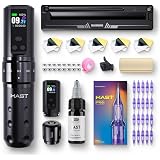
Opting for a cheap, unbranded machine often leads to inconsistent performance, frequent breakdowns, and ultimately, poor tattoo quality, which can be incredibly stressful mid-tattoo. Imagine a machine failing in the middle of a complex piece; such an experience can be deeply disheartening and detrimental to a budding artist’s confidence. While budget-friendly options like Mast machines can serve as a decent starting point for those with limited funds, it is always recommended to upgrade to professional-grade equipment like an Injekta Flight Nano or Cheyenne machine as soon as your budget allows. High-quality machines offer reliability, precision, and durability, which are indispensable for producing consistent, professional results and building a reputable portfolio.
Personal Comfort and Ergonomics
Ultimately, the most legendary machine in the world is only as good as how comfortable it feels in your hand, making personal ergonomics a paramount consideration. Each artist’s hand size, grip preference, and tattooing posture are unique, meaning a machine that feels perfect for one person might feel awkward for another. For example, transitioning to a pen-style machine after years of using traditional rotaries took time to adjust to, primarily due to the different weight distribution and grip style.
The ideal scenario for any beginner tattoo artist is to try out different machines whenever possible, perhaps during an apprenticeship or by borrowing from trusted colleagues. Some machines might feel naturally intuitive, while others could feel unwieldy or cause undue strain during extended sessions. Building a personal knowledge base about various machine types and their ergonomics is invaluable. Discovering a machine that aligns perfectly with your comfort and tattooing style will significantly contribute to your long-term success and prevent unnecessary physical discomfort throughout your tattooing career.
Dialing In Your First Machine: Beginner Tattoo Q&A
What are the main types of tattoo machines?
The three primary types are traditional coil machines, modern rotary machines, and ergonomic pen-style machines. Each offers different operational mechanics and advantages.
Which type of tattoo machine is recommended for beginners?
High-quality rotary tattoo machines are generally recommended for beginners due to their smoother operation, ease of use, and minimal maintenance requirements.
Why is it important to avoid cheap tattoo machines?
Very cheap tattoo machines often result in inconsistent performance and poor tattoo quality, which can be detrimental to a budding artist’s work and client safety. Investing in quality equipment ensures reliability and precision.
What does ‘stroke length’ mean for a tattoo machine?
Stroke length refers to the distance the needle travels in and out of the machine. It’s crucial because different stroke lengths are ideal for various tattooing tasks, like shading (shorter stroke) versus lining (longer stroke).