Navigating New Tattoo Aftercare: The Crucial First 24 Hours
Are you wondering how to best care for your new tattoo? The initial 24 hours are truly vital. As discussed in the video above, this period sets the stage. Proper new tattoo aftercare ensures lasting beauty. It prevents complications from arising. Neglecting these early steps can impact your tattoo’s future appearance significantly.Understanding Your Fresh Tattoo as an Open Wound
Your freshly inked skin is vulnerable. A new tattoo is essentially an open wound. It requires meticulous care and attention. This vulnerability makes it highly susceptible. Bacteria and pathogens can easily cause infection. Protecting it immediately is paramount for successful healing. Many experts emphasize this critical first phase. Studies indicate that early wound care dramatically reduces infection rates.During the first 24 hours, your body begins its repair process. Blood vessels constrict, and clotting starts. Inflammation is a natural part of healing. White blood cells work to clear debris. This delicate stage needs a clean environment. Any external contamination can disrupt healing. This disruption might lead to scarring or color loss. Ensuring a sterile approach is therefore non-negotiable.
Initial Protection: Films and Wraps
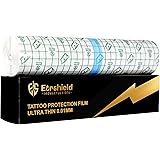
1. **Specialized Tattoo Film Application:** If your artist used a specialized tattoo film, do nothing more. This film is specifically designed for healing. It creates a protective, breathable barrier. Wear it for the full 24 hours, as instructed. These films are engineered for skin regeneration. They seal in natural healing fluids. This moist environment promotes faster recovery. Research suggests these films can reduce scab formation. They often lead to better color retention. 2. **Traditional Cling Film Use:** More traditional artists might use standard cling film. This method is considered older school. Leave cling film on for a few hours only. It is not breathable like specialized films. Prolonged use can trap moisture and bacteria. Remove it as soon as you get home. This allows your skin to properly breathe. Follow cleansing steps immediately after removal.Both methods aim to protect your tattoo. They shield it from environmental contaminants. However, their properties differ greatly. Understanding these differences is key. Always follow your artist’s specific instructions. They know what’s best for their work. Proper initial covering is a foundational step.
The Gentle Art of Washing Your New Tattoo
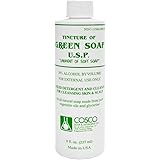
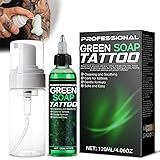
Once initial coverings are off, cleansing is next. This step needs a delicate touch. Your tattoo is still very sensitive. Treating it roughly can cause damage. Be mindful and extremely gentle. 1. **Choosing the Right Cleanser:** Select a soap made for tattoos. Alternatively, use a very mild soap. Ensure it is free from alcohol. Perfumes and harsh chemicals are also bad. These ingredients can irritate the skin. They can strip natural oils. Look for antibacterial, fragrance-free options. Such soaps are often pH-balanced. This balance helps maintain skin integrity. 2. **Optimal Water Temperature:** Always use lukewarm water. Avoid water that is too cold. Do not use water that is too hot. Extreme temperatures can shock the skin. Hot water can open pores too much. Cold water can be uncomfortable. Lukewarm water helps remove debris effectively. It does so without causing irritation. It is the perfect temperature for cleansing. 3. **Washing Technique:** Use only your clean hand for washing. Avoid harsh scrubbing motions. Do not use any abrasive materials. Gentle, circular motions are best. Lightly lather the soap over the tattoo. Allow the water to rinse it away. Treat it with utmost care and respect. Remember, it is still an open wound.Studies show that gentle cleansing reduces irritation. It also minimizes potential damage. Harsh scrubbing can lift scabs prematurely. This action can lead to scarring. It can also cause ink loss. The goal is to clean without disturbing the healing. This careful approach yields better results. Always prioritize gentleness in your aftercare routine.
Drying and Moisturizing for Optimal Healing
After washing, proper drying is essential. Incorrect drying can introduce issues. Then, moisturizing helps skin regeneration. This combination supports healthy healing. 1. **Drying Your Tattoo:** Gently pat your tattoo dry. Use a clean, soft towel. Paper towels are another good option. Ensure they are unused and fresh. Avoid rubbing the tattoo vigorously. Never use toilet paper. It can leave behind fibers. These fibers can cling to the tattoo. They may introduce bacteria. Patting prevents friction and irritation. It also helps preserve ink integrity. 2. **Applying a Healing Ointment:** After drying, apply a thin layer of ointment. Use a tattoo balm or butter. Choose products made for tattoo regeneration. These products aid in skin repair. They keep the tattoo adequately moisturized. A thin layer is crucial here. Your skin still needs to breathe. Over-moisturizing can suffocate the skin. It can also trap bacteria. Always use clean hands for application. 3. **Re-wrapping for Nighttime Protection:** For the first couple of nights, re-wrap it. Use cling film again before bed. This protects against bed sheet bacteria. Your bedding can harbor unseen germs. This barrier provides peace of mind. Remove the cling film in the morning. Repeat the washing and moisturizing steps. This cycle continues the protective care.The role of moisturization is significant. It keeps the skin supple. This prevents excessive dryness and cracking. Cracked skin can delay healing. It can also lead to more scarring. Data suggests proper moisturization speeds healing. It also improves overall tattoo quality. Aim for consistency in this routine. Cleaning and moisturizing three to four times daily is often recommended. This frequency maintains optimal conditions. This ensures your new tattoo heals perfectly.
Behaviors to Avoid for a Smooth Tattoo Healing Process
Your actions significantly impact healing. Certain behaviors can jeopardize your tattoo. Avoid them during these crucial early days. This diligence ensures a superior outcome. 1. **Abstain from Alcohol and Drugs:** Drinking alcohol thins your blood. This can lead to increased bleeding. It may also prolong healing time. Drug use can impair judgment. It can also weaken your immune system. Both substances negatively affect healing. Prioritize your body’s recovery. Stay sober for the initial healing phase. This decision supports your new tattoo. 2. **Avoid Physical Contact and Contamination:** Limit contact with people and surfaces. Your new tattoo is an open wound. It is highly susceptible to germs. Touching increases infection risk. Avoid contact sports or rough activities. Do not go out to crowded places. Direct impacts can tear the skin. This leads to a painful healing process. It also results in a poor long-term appearance. 3. **Resist Picking or Scratching:** Itching is a common side effect. However, resist the urge to scratch. Picking at scabs is also detrimental. Both actions can pull out ink. They also increase infection risk. This can lead to scarring and uneven healing. Use light moisturization to soothe itching. Gently patting around the area can help.Statistics show a direct correlation. Unsafe practices lead to higher infection rates. They also contribute to unsatisfactory healing outcomes. For instance, a study in the *Journal of Clinical Dermatology* highlighted how improper aftercare can increase complications by up to 20%. Protecting your investment means being mindful. Your new tattoo deserves this care. Adhering to these guidelines is vital.