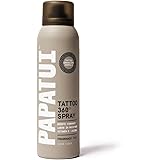
Navigating the intricate world of tattoo aftercare often sparks a pivotal question: should you reach for a specialized tattoo balm or a lighter tattoo lotion? The concise visual comparison in the video above offers a glimpse into this common dilemma for anyone with fresh ink. Yet, understanding the nuanced differences between these essential aftercare products is crucial for optimal healing and preserving the vibrant artistry of your tattoo.
Indeed, the choice between a tattoo balm and a tattoo lotion isn’t merely a matter of preference; it’s a strategic decision influenced by your tattoo’s healing stage, your skin type, and even the surrounding environment. Both formulations serve the overarching goal of aiding the skin’s recovery, but they achieve this through distinct mechanisms and ingredient profiles. Delving into their specific attributes will empower you to make an informed choice, ensuring your new tattoo heals beautifully and maintains its integrity for years to come.
Understanding Tattoo Aftercare Essentials
Effective tattoo aftercare forms the bedrock of a successful healing process, safeguarding your fresh artwork from potential complications. When the artist implants ink into the dermis, the skin experiences trauma, initiating an inflammatory response crucial for wound healing. Proper aftercare minimizes the risk of infection, reduces irritation, and prevents excessive scabbing, which can otherwise pull ink out of the skin, leading to faded or patchy areas.
Moreover, consistent and appropriate aftercare significantly contributes to the longevity and vibrancy of your tattoo. A well-hydrated epidermis provides an optimal environment for collagen regeneration and supports the encapsulation of pigment within the dermal layers. Neglecting this critical phase can result in poor ink retention, scarring, or a dull finish, undermining the professional work of your tattoo artist. Understanding the science behind skin repair guides our product choices, steering us towards formulations that genuinely support the body’s natural recovery mechanisms.
The Case for Tattoo Balm: Deep Dive into Occlusive Protection
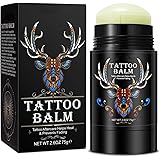
Tattoo balms are renowned for their rich, dense texture and formidable protective capabilities. These formulations typically feature a higher concentration of waxes, butters, and heavier oils, creating a robust occlusive barrier on the skin’s surface. This barrier effectively seals in moisture, preventing transepidermal water loss (TEWL) and protecting the vulnerable healing skin from environmental aggressors suchants as dust and friction. The primary purpose of a high-quality tattoo balm is to provide intensive hydration and a shielding layer, which can be particularly beneficial during the initial, most vulnerable stages of tattoo healing.
Common ingredients in premium tattoo balms include petrolatum, shea butter, cocoa butter, beeswax, and lanolin, often combined with soothing agents like calendula or vitamin E. These components work synergistically to calm inflammation, accelerate tissue repair, and provide a lasting emollient effect. For instance, a balm with a high concentration of medical-grade petrolatum, like Vaseline or Aquaphor, forms a semi-occlusive layer, allowing the skin to breathe while preventing excessive dryness. This can significantly reduce itching and discomfort, common complaints during the scabbing phase.
When to Opt for a Tattoo Balm
Choosing a tattoo balm proves particularly advantageous during the initial days of the healing journey, often immediately after the tattoo artist applies the protective bandage is removed. Its thick consistency provides unparalleled protection against rubbing or bumping, making it ideal for high-friction areas or tattoos that are prone to accidental contact. Furthermore, for individuals with inherently dry skin or those healing in arid climates, a balm offers the concentrated moisture needed to prevent cracking and promote a supple, smooth recovery. Consider a balm when your tattoo is actively shedding or flaking, as its intensive properties can minimize irritation and promote even healing.
The Case for Tattoo Lotion: Lightweight Hydration and Breathability
In stark contrast to their balm counterparts, tattoo lotions offer a lighter, more breathable hydration solution. These emulsions consist of a higher water content, often blended with humectants like glycerin or hyaluronic acid, alongside lighter oils such as jojoba or almond oil. The primary advantage of a tattoo lotion lies in its rapid absorption and non-greasy finish, making it comfortable for daily wear and less prone to occluding pores if applied sparingly. Lotions are formulated to provide consistent moisture without forming a heavy barrier, allowing the skin to breathe more freely while still receiving essential hydration.
Many tattoo lotions are also designed to be non-comedogenic, meaning they are less likely to clog pores, a concern particularly for larger tattoos or those located in areas prone to breakouts. They are often pH-balanced and fragrance-free to minimize the risk of irritation on sensitive, healing skin. While they may not provide the same intense occlusive protection as a balm, their regular application ensures continuous hydration, which is vital for long-term skin health and tattoo vibrancy. A good quality lotion can make a significant difference in maintaining the suppleness of the skin without feeling heavy or sticky.
When to Opt for a Tattoo Lotion
A tattoo lotion becomes an excellent choice as your tattoo progresses past the initial weeping and heavy scabbing phases, typically after the first week or two. At this stage, the skin still requires consistent hydration to complete its healing and to lock in ink, but the need for a dense, protective barrier diminishes. Lotions are also preferable for tattoos located in warmer, more humid climates, where heavy balms might feel overly occlusive or contribute to excessive sweating beneath the film. Moreover, for daily tattoo maintenance once fully healed, a lotion provides the perfect balance of hydration and comfort, keeping the skin supple and the colors bright without a greasy residue. Many individuals find lotions more suitable for large-scale pieces covering extensive areas, given their ease of spread and lighter feel.
Ingredient Spotlight: What to Look For (and Avoid)
When selecting your tattoo aftercare product, scrutinizing the ingredient list is paramount for safeguarding your healing skin. Look for beneficial components that actively support skin repair and hydration. Panthenol, also known as Vitamin B5, is a powerful humectant and emollient, recognized for its anti-inflammatory properties and its ability to promote cell regeneration. Vitamin E is another excellent addition, acting as an antioxidant that can help protect skin cells from damage and support healing.
Conversely, certain ingredients should be scrupulously avoided in any tattoo aftercare product. Alcohol, often found in many conventional lotions, can severely dry out the skin and impede the healing process. Fragrances, particularly synthetic ones, are common skin irritants and allergens that can cause rashes or itching on sensitive, damaged skin. Parabens, a class of preservatives, have raised health concerns and are best avoided, especially on compromised skin. Opting for products specifically labeled as “fragrance-free,” “paraben-free,” and “alcohol-free” is a wise decision to minimize irritation and foster optimal healing.
Application Techniques for Optimal Healing
Regardless of whether you choose a tattoo balm or a lotion, proper application technique is just as crucial as the product itself. Always begin by thoroughly washing your hands with an antibacterial soap to prevent introducing bacteria to the vulnerable tattoo site. Gently cleanse the tattooed area with a mild, fragrance-free antibacterial soap and lukewarm water, then pat it completely dry with a clean paper towel; cloth towels can harbor bacteria or snag on delicate skin.
Next, apply a very thin layer of your chosen aftercare product. The key here is “thin.” An excessive amount of balm or lotion can suffocate the skin, preventing it from breathing and potentially leading to clogged pores or delaying healing. You want just enough product to moisturize the skin, not to create a thick, visible film. Gently massage the product into the skin until it’s mostly absorbed, ensuring the entire tattooed area is covered. The frequency of application typically ranges from two to four times a day, depending on how quickly your skin absorbs the product and its dryness level. Listen to your body and adjust as needed, remembering that consistency is key to a smooth and healthy recovery.
Beyond Balm and Lotion: The Holistic Approach to Tattoo Healing
While the choice between a tattoo balm and a tattoo lotion is vital, it represents just one facet of a comprehensive healing strategy. A holistic approach encompasses various lifestyle factors that profoundly impact your skin’s ability to recover and retain ink vibrancy. Staying adequately hydrated by drinking plenty of water supports overall skin health, promoting elasticity and aiding cell regeneration from within. Furthermore, a balanced diet rich in vitamins and antioxidants can provide the necessary nutrients for robust immune function and efficient wound healing.
Sun protection is non-negotiable for both healing and long-term tattoo care; UV rays can rapidly degrade ink pigments, leading to premature fading. Always cover your healing tattoo from direct sunlight, and once fully healed, use a broad-spectrum SPF 30+ sunscreen. Additionally, wear loose-fitting clothing made from breathable fabrics to prevent irritation and allow air circulation around the new tattoo. Avoid prolonged soaking in baths, pools, or hot tubs during the healing phase, as this can introduce bacteria and compromise the tattoo. Patience and adherence to your artist’s specific aftercare instructions are paramount for achieving a beautifully healed tattoo that stands the test of time.
Ultimately, the decision between a dedicated tattoo balm and a specialized tattoo lotion hinges on a careful consideration of your individual healing process, skin type, and environmental factors. Both formulations offer distinct advantages, with balms providing intensive, occlusive protection during the initial, critical stages, while lotions offer breathable, lightweight hydration for ongoing care. Prioritizing skin health and understanding the nuances of each product will significantly contribute to optimal healing, ensuring your new tattoo remains a vibrant, cherished piece of art for years to come.