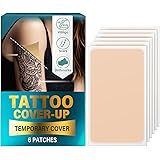
Are you about to get a new tattoo or already sporting fresh ink? Watching the video above, you heard experienced artists weigh in on a critical question. They discuss the best way to care for your tattoo during its initial healing phase. The consensus is clear: second skin is overwhelmingly preferred over traditional cling wrap. This choice impacts your tattoo’s longevity and your overall healing experience. Let’s dive deeper into why this matters for your beautiful new art.
Why Second Skin is the Top Choice for Tattoo Aftercare
Many tattoo enthusiasts wonder about the best healing methods. The tattoo healing process is vital for the final look of your artwork. Second skin has become a game-changer in modern tattoo aftercare. It offers a superior healing environment. This special bandage protects your tattoo like a shield. It also helps your skin recover quickly and effectively.
Understanding the Benefits of Second Skin Tattoo Aftercare
Second skin is a medical-grade adhesive film. It creates a moist healing environment. This means your skin stays hydrated. Proper hydration is key for new cells to grow. This flexible film adheres directly to your skin. It forms a protective barrier against external elements. Think of it as a second layer of skin. This layer keeps out dirt, bacteria, and irritants.
One major benefit is reduced scabbing. Scabbing can pull ink out of your tattoo. Second skin minimizes this risk significantly. It also helps to prevent itching. Intense itching often leads to scratching. Scratching can damage your new tattoo. With second skin, your tattoo healing process is smoother. It truly makes aftercare feel easy.
The Science Behind Second Skin and Moist Healing
The concept of moist wound healing is well-established in medicine. Second skin leverages this principle for tattoo aftercare. It traps your body’s natural healing fluids. These fluids contain important enzymes. They help the skin repair itself. This environment speeds up recovery time. It also reduces inflammation and discomfort.
This breathable film still allows oxygen to reach your skin. This is crucial for healthy tissue regeneration. It prevents the tattoo from drying out. A dry tattoo can lead to cracking and poor healing. The moist conditions also help reduce infection risk. This makes second skin a smart choice. It supports a healthy and vibrant final result.
The Challenges with Traditional Cling Wrap Tattoo Healing
For many years, plastic cling wrap was a common aftercare method. However, it presents several significant drawbacks. Tattoo artists in the video expressed their concerns. They highlighted the difficulty of proper care with cling wrap. This is especially true during hot summer months. Understanding these issues helps you make an informed decision.
Common Problems with Cling Wrap Aftercare
Cling wrap creates a non-breathable seal over the tattoo. This traps moisture but also heat. It can turn your tattoo into a humid breeding ground. Bacteria thrive in such warm, moist conditions. This significantly increases the risk of infection. Your skin cannot breathe properly under cling wrap. This hinders the natural healing process.
Another issue is constant re-wrapping. Cling wrap often needs changing every few hours. This is impractical for many people. Each change exposes the tattoo to air and potential contaminants. It requires meticulous cleaning each time. This labor-intensive process makes proper aftercare difficult. It can also lead to inconsistent protection.
Cling wrap can also rub against the tattoo. This causes friction and irritation. It might even stick to the weeping tattoo. Removing it can pull off scabs or damage the fresh skin. This can lead to uneven healing. It might also cause patchy ink. The lack of breathability also makes it very uncomfortable. Especially during physical activity or sleep.
Why Artists Prefer Modern Tattoo Protection
Tattoo artists often recommend second skin because it’s reliable. They have seen the difference it makes. As one artist mentioned, they “almost don’t give people an option.” This shows their strong belief in its benefits. They want your tattoo to heal perfectly. Second skin helps ensure this outcome. It takes much of the guesswork out of aftercare.
Artists understand client habits. They know that proper aftercare takes commitment. Cling wrap relies heavily on diligent client care. Second skin offers a more forgiving system. It provides consistent protection for days. This reduces the chance of client error. It helps achieve a flawless tattoo healing process. This ease makes it a favorite for professionals.
How to Properly Use Second Skin for Your Tattoo Healing Process
Using second skin correctly is crucial for optimal results. Your tattoo artist will usually apply the first piece. They will provide specific instructions. Following these steps ensures your tattoo gets the best start. This simple application provides superior tattoo protection. It helps your new artwork heal beautifully.
Applying and Removing Your Second Skin
After your tattoo is complete, the artist cleans it thoroughly. They then apply the second skin over the fresh tattoo. It should extend beyond the tattoo edges. This ensures a secure seal. The film should be smooth and wrinkle-free. Your artist will guide you on how long to keep it on. This is usually for 3-5 days. Sometimes a second piece is applied after 24 hours.
Removing second skin requires care. Do it gently under warm, running water. This helps to loosen the adhesive. Pull the film slowly from the edge. Stretch it parallel to your skin. Avoid pulling directly upwards. This minimizes discomfort. It also protects your healing tattoo. After removal, wash the tattoo with a mild, unscented soap. Then gently pat it dry.
Living with Second Skin: Tips for Optimal Tattoo Protection
While wearing second skin, you can shower as normal. However, avoid prolonged soaking. Baths, swimming, or saunas are not recommended. They can compromise the adhesive. Keep the area clean and dry otherwise. Avoid direct sun exposure. Your tattoo is very sensitive during this time. The film is a great barrier but not a sunscreen.
Should the second skin start to peel significantly? Or if fluid leaks from beneath it? You might need to remove it early. If you notice any redness, swelling, or excessive pain, contact your artist. These could be signs of irritation or infection. Overall, second skin greatly simplifies the tattoo healing process. It offers unparalleled protection and peace of mind.
Effortless Healing: Your Questions, Answered
What is “second skin” used for in tattoo aftercare?
Second skin is a medical-grade adhesive film applied to new tattoos to create a protective, moist healing environment. It acts like a shield, protecting your tattoo from external elements while helping your skin recover.
Why is second skin generally preferred over cling wrap for healing a new tattoo?
Second skin is preferred because it creates a breathable, moist environment that reduces scabbing and infection risk. Traditional cling wrap can trap heat and bacteria, hindering proper healing and increasing the chance of issues.
How long should I keep the second skin on my new tattoo?
Your tattoo artist will usually advise keeping the first application of second skin on for 3 to 5 days. Always follow your artist’s specific instructions for the best healing outcome.
Can I shower with second skin on my new tattoo?
Yes, you can shower as usual while wearing second skin. However, you should avoid prolonged soaking, such as in baths or swimming pools, as this can weaken the adhesive and expose your tattoo.