Are you an aspiring tattoo artist, standing at the precipice of a new journey, wondering which device will be your faithful companion as you etch your first lines and shades? Choosing your initial beginner tattoo machine can feel like navigating a labyrinth of technical jargon and endless options. The video above offers excellent recommendations for starting your kit, highlighting the Ambition Soldier as a prime contender. But what exactly makes a first tattoo machine ideal, and what other crucial elements should an entry-level tattoo artist consider?
Understanding the Core: Rotary vs. Coil Machines for Beginners
For decades, the tattoo industry was dominated by coil machines, known for their distinct buzzing sound and powerful, percussive hit. These machines operate using electromagnetic coils to rapidly pull and release an armature bar, driving the needle. While revered by many traditional artists, coil machines often demand a steep learning curve due to their need for constant tuning and their specialized nature (often a dedicated liner or shader).
Contrastingly, the modern landscape has largely shifted towards rotary tattoo machines, which utilize a small motor to move the needle in a smooth, consistent motion. For the beginner tattoo artist, rotary machines present a significant advantage. They are typically lighter, quieter, require minimal maintenance, and offer a more consistent “hit” on the skin, which is invaluable when developing hand stability and understanding skin mechanics. Imagine if your very first attempts at drawing a straight line were made easier by equipment that was inherently more forgiving and stable – that’s the advantage a quality rotary machine offers.
The All-in-One Advantage: Why Versatility Matters in Your First Tattoo Machine
One of the standout features of recommendations like the Ambition Soldier, as mentioned in the video, is its versatility. The ability to perform both lining and shading with a single machine is not merely a convenience; it’s a fundamental accelerator for learning. With traditional coil setups, artists often needed to switch between two different machines—one optimized for crisp lines and another for smooth shading or color packing. This constant interruption breaks workflow and can be particularly disruptive for someone trying to master foundational techniques.
An entry-level tattoo machine that handles both tasks allows you to maintain momentum, building muscle memory for pressure, speed, and angle without the cognitive load of swapping tools. The Ambition Soldier, noted for its 4.0mm stroke, exemplifies this. This particular stroke length offers a sweet spot, providing enough power for controlled lines while still allowing for the softer hand movements required for blending and filling. It means you can tackle a broader range of tattoo styles and techniques early in your career, which is paramount for skill diversification.
Furthermore, the video highlights that machines in the “around $200 mark” from Ambition offer solid value. This price point strikes an excellent balance. It’s significantly above the “cheapest on the market,” which often implies unreliable motors and poor build quality, yet well below the premium professional machines that might exceed a beginner’s budget and technical needs. This investment ensures reliability without breaking the bank, allowing more room for other essential supplies like quality cartridges and a reliable power supply.
Decoding Stroke Length: Why 4.0mm is Ideal for Beginner Tattoo Artists
The stroke length of a tattoo machine refers to how far the needle moves in and out of the tube with each cycle. It’s a critical specification that directly influences how a machine performs for different tattooing tasks. While varying from 2.5mm for ultra-fine detail and soft shading to 5.0mm for aggressive lining and bold color packing, a 4.0mm stroke is often lauded as the industry’s versatile workhorse. This specific stroke length offers a balanced action, delivering enough punch for most lining tasks without being overly aggressive for delicate shading.
For a beginner, this translates to greater control and adaptability. A shorter stroke (e.g., 2.5-3.0mm) can feel too soft for confident lines, requiring multiple passes and potentially causing skin trauma. A longer stroke (e.g., 4.5-5.0mm) can be too powerful and unforgiving, making smooth shading difficult and increasing the risk of overworking the skin. The 4.0mm provides a tactile feedback that helps new artists understand the interaction between needle, ink, and skin, making it an excellent foundation for developing nuanced techniques. It’s like learning to drive in an automatic car with balanced power, rather than a race car or a tiny city car—it provides the optimal learning environment.
Beyond Ambition: Exploring Other Robust Beginner Tattoo Machine Options
While the Ambition Soldier stands out, it’s wise to explore other reputable entry-level tattoo machines, as personal preference plays a significant role. The video briefly mentions the Mast Archer and the Bronk Hummingbird, each offering unique attributes for the aspiring artist.
The Mast Archer: A Solid Contender
The Mast Archer is another popular choice, often praised for its consistent performance and ergonomic design. While the Ambition Soldier might be slightly longer, the Mast Archer typically maintains a similar weight and width, providing a familiar feel. Many artists find the Mast Archer’s balance to be particularly comfortable, reducing hand fatigue during longer sessions. It’s another rotary option that generally offers good versatility for both lining and shading, making it a strong alternative to the Ambition line. When comparing them, consider how each feels in your hand – the subtle differences in weight distribution and grip texture can significantly impact your comfort and control over extended periods.
The Bronk Hummingbird: Compact Precision
For those with smaller hands or a preference for a much more compact grip, the Bronk Hummingbird emerges as an excellent option. Its significantly smaller form factor doesn’t compromise on power or reliability, delivering a consistent hit that is surprising for its size. Imagine if you were an illustrator used to delicate pens; the Bronk Hummingbird might feel like a natural extension of your hand, offering unparalleled maneuverability for intricate details. While perhaps not the primary choice for bold, sweeping work right out of the gate, its compact nature can reduce strain and improve precision for artists who find larger machines cumbersome. Ultimately, the “best” machine is the one that feels most intuitive and comfortable for *you*.
Ergonomics and Comfort: A Critical Factor for Aspiring Tattooers
Beyond specifications like stroke length and motor type, the ergonomics of your beginner tattoo machine are paramount. A machine that feels awkward or heavy can lead to hand fatigue, tremors, and ultimately, compromise the quality of your work. Weight distribution, grip diameter, and overall balance are crucial considerations. A well-balanced machine will feel like an extension of your hand, allowing for fluid movements and precise control.
Imagine if you had to write for hours with a pen that constantly slipped or felt unwieldy; your handwriting would suffer, and your hand would ache. The same principle applies to tattooing. Machines like the Ambition Soldier, Mast Archer, and Bronk Hummingbird are designed with artist comfort in mind, aiming for optimal balance and manageable weight. Pay attention to how the machine feels during practice sessions – is the weight evenly distributed? Does the grip allow for a natural hold without causing strain? These seemingly small details can have a profound impact on your learning curve and your longevity as a tattoo artist.
Setting Up Your First Professional Tattoo Workstation: Beyond Just the Machine
While the beginner tattoo machine is the star of the show, it’s merely one component of a complete, functional professional tattooing setup. As you embark on this journey, understanding the peripherals is just as vital. You’ll need a reliable power supply to regulate voltage, a responsive foot pedal for hands-free operation, and a high-quality clip cord or RCA cable to connect your machine to the power supply. Skimping on these can lead to inconsistent performance, affecting both your work and the lifespan of your machine.
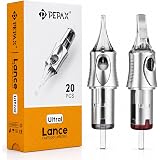
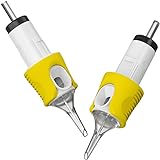
Equally important are your cartridges or needle configurations. High-quality, sterile, single-use cartridges are non-negotiable for safety and optimal performance. Experiment with various configurations – round liners for fine lines, round shaders for tight fills, and magnums for broader shading – to understand their unique applications. Furthermore, a commitment to stringent hygiene and sterilization practices is paramount. From barrier protection to proper disposal of contaminated materials, maintaining a clean and safe environment protects both you and your future clients. A starter kit might provide a foundational set of these items, but always research and invest in reputable brands as you progress.
Investment vs. Experimentation: Navigating Your First Tattoo Machine Purchase
The advice to avoid both the absolute cheapest and the most expensive machines on the market for your first tattoo machine is sagacious. Ultra-cheap machines often come with poor motors, unreliable components, and inconsistent performance, making the learning process frustrating and potentially damaging to your reputation. They can cause uneven ink saturation, excessive skin trauma, and often fail prematurely, leading to greater costs in the long run.
On the other hand, investing in a top-tier, thousands-of-dollars machine as a beginner is often unnecessary. These machines, while exceptional, come with advanced features and nuanced controls that are best appreciated by experienced artists. A mid-range entry-level tattoo machine, like those discussed, provides a stable, reliable platform for mastering fundamentals without the burden of over-investment. Focus on consistent performance, ease of use, and durability – these are the hallmarks of a great initial investment that will support your development as an artist for years to come.
Inking Your Doubts: Beginner Tattoo Machine Q&A
What kind of tattoo machine is usually best for someone just starting out?
Rotary tattoo machines are recommended for beginners because they are lighter, quieter, and offer a smooth, consistent motion that helps with learning.
Why is it helpful for a beginner tattoo machine to do both lining and shading?
A machine that can do both lining and shading helps beginners learn faster by allowing them to practice different techniques without constantly switching tools.
What is ‘stroke length’ and what is a good stroke length for beginners?
Stroke length is how far the needle moves in and out. A 4.0mm stroke length is considered versatile and good for beginners as it balances power for lines and softness for shading.
Are there other important items a beginner needs besides the tattoo machine itself?
Yes, beginners also need a power supply, a foot pedal, a connecting cable, and high-quality, sterile needle cartridges to complete their setup.