Imagine the excitement of getting a new tattoo, a fresh piece of art etched onto your skin. The anticipation of showing it off is high. However, sometimes that excitement turns to frustration when the tattoo doesn’t heal as expected. Lines might blur, colors might fade, or worse, an infection could appear. Many dedicated tattoo artists, like Bran from Tattooing 101, understand these concerns. As highlighted in the video above, proper tattoo aftercare is paramount for both the longevity of the art and the health of the client. Often, issues stem not from the initial tattooing process, but from the crucial period that follows.
The Crucial Role of Tattoo Aftercare in Healing Tattoos
The journey to a beautifully healed tattoo extends far beyond the artist’s chair. A significant portion of its success depends on diligent aftercare. It is often believed that a tattoo artist’s skill guarantees perfect healing. However, client actions play an equally vital role. Incorrect aftercare practices can easily undermine even the most expertly applied ink.
Studies indicate that a lack of proper aftercare guidance contributes to a notable percentage of healing complications. This can range from minor irritation to severe infections. Clear instructions from artists are therefore essential. These instructions should cover the initial week and the tattoo’s entire lifespan.
Initial Healing: Artist’s Responsibility and Client Compliance
Sometimes, healing problems begin with the tattooing process itself. Overworking the skin is a common culprit. This can lead to excessive scabbing and ink loss. An experienced artist knows how to avoid this trauma. However, even perfect application needs proper post-session care. Clients must follow instructions diligently. This ensures the best possible outcome for their new artwork.
After the tattoo is completed, it is carefully wrapped. This step is critical for cleanliness. It protects the fresh tattoo from immediate environmental contaminants. This also protects the studio. Any infection occurring later is clearly attributed to client actions, not studio conditions. Clients are expected to follow these aftercare instructions precisely.
Avoiding Common Pitfalls in New Tattoo Care
Numerous factors can hinder the healing of a fresh tattoo. Awareness of these common mistakes is crucial. Avoiding them ensures optimal healing and vibrant results.
-
Water Immersion and Contamination
Swimming, especially in lakes or public pools, must be avoided. These environments harbor bacteria. Submerging a fresh tattoo creates a breeding ground for infection. Long baths are also discouraged. While showering is acceptable, prolonged water exposure is detrimental. Keeping the tattoo dry is often recommended. This reduces the risk of bacterial ingress.
-
Sun Exposure and Pigment Damage
Direct sunlight is a significant enemy of tattoos. UV rays are known to break down ink pigments. This causes fading and dullness. Even healed tattoos are affected. Sunscreen application is non-negotiable for tattoo longevity. Prolonged exposure can degrade tattoo vibrancy by a reported 30% over several years. Protecting the tattoo from the sun is a lifelong commitment.
-
Pet Interaction and Trauma
Pets, while beloved, can pose a risk to new tattoos. Their fur carries bacteria. Accidental scratches are also common. A single deep scratch can leave a permanent scar. This can disrupt the tattoo design. Keeping pets away from the tattooed area is a simple precaution. This protects the healing skin from unnecessary trauma.
-
Tight Clothing and Friction
Tight clothing can irritate a fresh tattoo. Constant rubbing causes friction. This friction can disrupt the healing process. It may lead to increased scabbing or even infection. Loose-fitting garments are always preferred. This allows the tattoo to breathe. Air circulation is vital for proper healing.
The Aftercare Toolkit: Recommended Products and Practices
The right products make a substantial difference in tattoo healing. Selecting appropriate lotions and soaps is vital. These choices directly impact the skin’s recovery and the tattoo’s appearance.
Debating Aftercare Products: What Works Best?
Aftercare recommendations have evolved over time. Early practices often included A&D ointment or Aquaphor. However, these petroleum-based products can be problematic. They create an occlusive barrier. This traps bacteria and moisture, potentially fostering infections. Reports suggest higher rates of irritation with petroleum-based products. This has led many artists to seek alternatives.
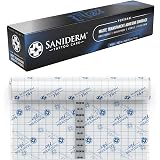
Saniderm, a transparent adhesive bandage, has gained popularity. It provides a protective barrier. It also allows the tattoo to “breathe” minimally. However, some individuals report allergic reactions to the adhesive. Approximately 1% of clients may experience redness or irritation. For this reason, some artists prefer not to use it universally. A proven, less reactive method is often favored.
The Recommended Aftercare Regimen: Lubriderm and Antibacterial Soap
A simple, effective aftercare routine involves antibacterial soap and unscented lotion. This method has been shown to produce excellent healing outcomes. It minimizes risks while promoting skin hydration.
Upon returning home, the initial studio bandage should be removed. The tattoo is then gently washed. An unscented antibacterial soap is recommended. This removes excess ink and plasma. The washing process should be performed about three times daily. This maintains cleanliness without over-drying the skin.
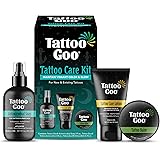
Following washing, an unscented lotion like Lubriderm is applied. This lotion hydrates the skin effectively. It avoids creating an occlusive seal. Air can still reach the tattoo. This prevents bacterial growth while keeping the skin supple. Lotion application is advised six to seven times daily. This frequency may be adjusted based on individual skin dryness or environmental factors. Gloves should be worn during application. This prevents the transfer of dirt or grime.
Addressing Scabbing: A Targeted Approach
Even with diligent care, some scabbing may occur. This is particularly true if the skin experiences minor trauma. This can happen from tight clothing or accidental bumps. If scabs become hard or excessive, a salt bath can be helpful. Soaking the affected area in warm, salted water helps soften the scabs. They can then be gently massaged off. Following this, normal lotion application is resumed. This method supports healthy skin regeneration.
Preventing Social Media-Driven Mishaps
Social media trends can sometimes encourage unsafe practices. Two specific behaviors are frequently observed:
-
Slapping Fresh Tattoos
The practice of “setting the ink” by slapping a fresh tattoo is a dangerous myth. It carries no benefit. Instead, it introduces bacteria to an open wound. This significantly increases infection risk. Tattoo artists must educate clients about this. Personal hygiene is paramount during the healing phase. Any contact with a fresh tattoo should be with clean, gloved hands only.
-
Pressing Two Fresh Tattoos Together
Matching tattoos are popular. However, pressing two fresh tattoos together for a photo is unhygienic. This transfers bacteria and bodily fluids between individuals. Even intimate partners should avoid this. It creates a direct pathway for cross-contamination. Such photos should be postponed until both tattoos are fully healed. Patience is key for preserving both health and art.
By adhering to these detailed aftercare instructions, clients can achieve optimal tattoo healing. This ensures their artwork remains vibrant and their skin stays healthy. Diligence in tattoo aftercare protects your investment. It guarantees the tattoo’s longevity. This careful approach prevents many common complications. Follow these steps for beautiful, well-healed tattoos.
Ink Aftercare: Your Healing Q&A
Why is it important to take care of a new tattoo?
Proper aftercare is crucial for a new tattoo to heal well, keep its colors vibrant, and prevent infections, ensuring it lasts a long time.
What should I avoid doing when I have a new tattoo?
You should avoid swimming or long baths, direct sunlight, letting pets touch it, and wearing tight clothes over the tattooed area to prevent problems.
What kind of products should I use for my tattoo aftercare?
Use an unscented antibacterial soap for cleaning and an unscented lotion, like Lubriderm, to keep your skin hydrated. Avoid petroleum-based products.
How often should I clean and moisturize my new tattoo?
Wash your tattoo gently about three times a day with antibacterial soap, and apply unscented lotion roughly six to seven times daily to keep it moisturized.
Is it okay to slap my new tattoo or press it against another fresh tattoo?
No, these are dangerous myths; slapping can cause infection, and pressing fresh tattoos together can spread bacteria. Always handle with clean, gloved hands.